
Bossier City Garage Door Guide
Why Garage Door Springs Wear Out Faster in Bossier City
Most Bossier City garages still run original 1980s-90s torsion springs. Here's how the local heat-humidity swing wears them down and what to check before one lets go.
- Licensed & Insured
- Same-Area Service Calls
- Upfront Pricing

What Local Conditions Do
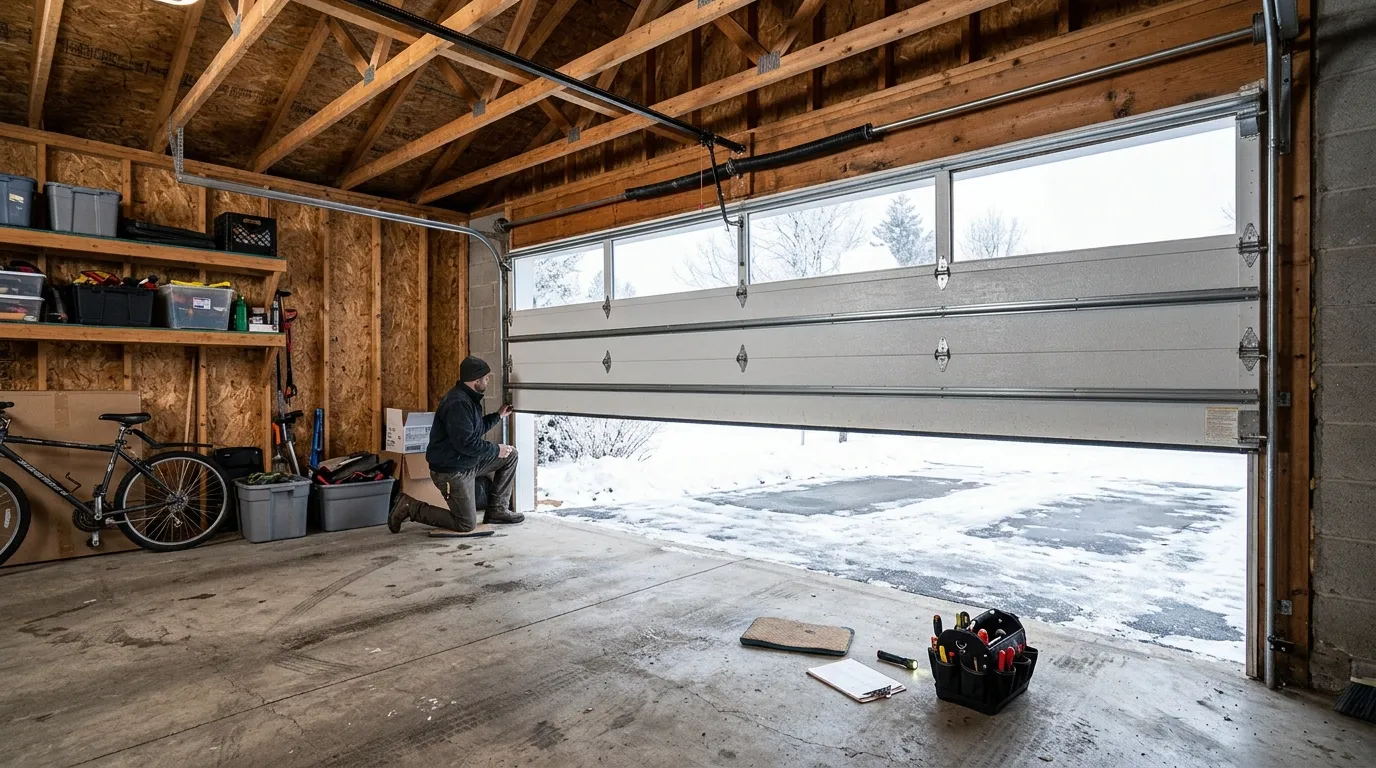
Bossier City sits in a climate band we'd call moderate on heat - not the deep-freeze country where a spring snaps because it seized up overnight. What we get instead is a long, humid stretch of hot afternoons followed by cooler nights, day after day, for most of the year. That swing matters more than people think.
Torsion springs are wound steel, and every expansion-contraction cycle from heat and humidity puts a small amount of fatigue into the coil. It's not dramatic. It's cumulative.
Now put that cycle against the housing stock: most of the service area, across the eight communities we work in, went up between 1981 and 1996, with the median build year sitting around 1993. That means a lot of garages out there are still running the springs that came with the house - springs that have been absorbing thirty-plus years of Bossier City's heat-humidity swing. A spring built in 1993 wasn't engineered to last forty years.
It was engineered for a cycle count, and this climate uses up those cycles differently than a cold-snap climate does. The wear shows up as slow sag, not sudden failure - though it can end in sudden failure once it's gone far enough.
The Problem
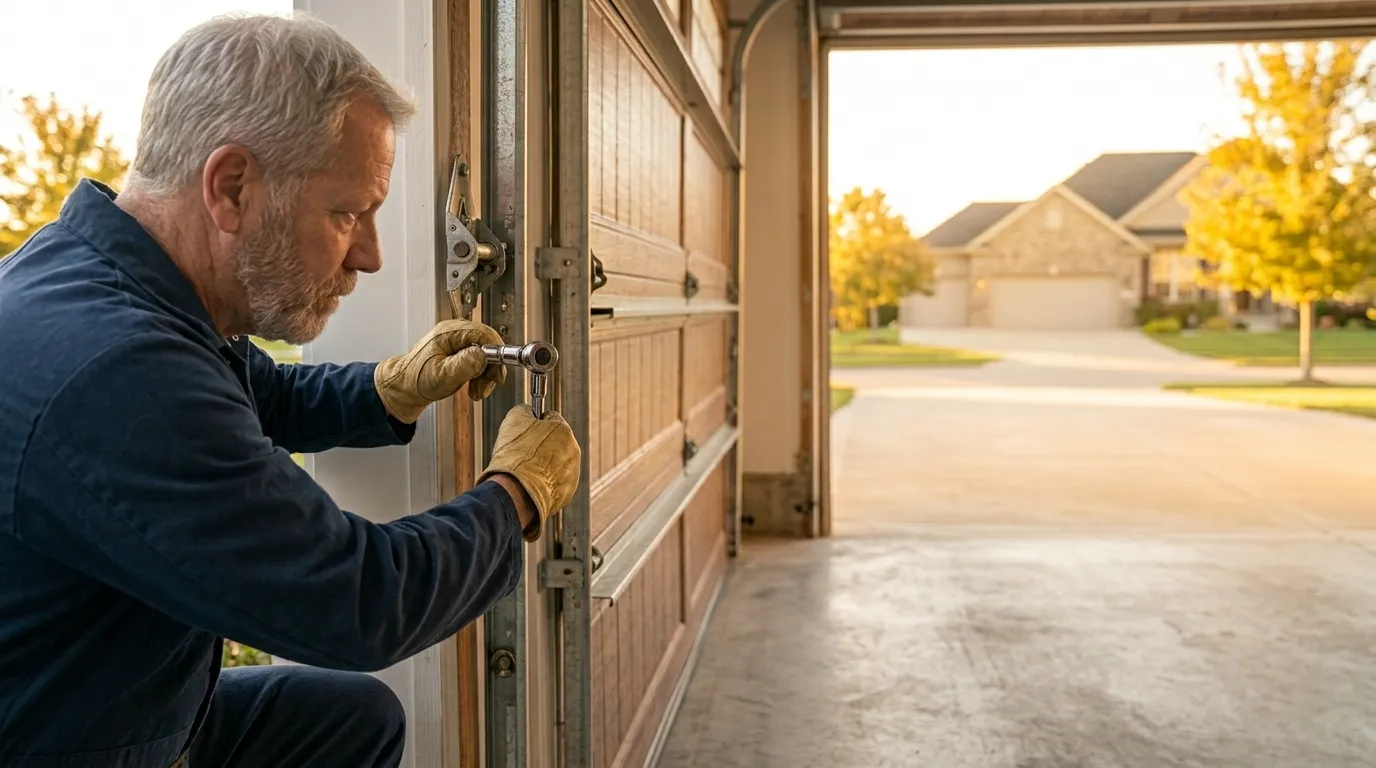
Here's what that looks like in practice. A torsion spring holds tension by design - it's doing the lifting work the opener motor isn't built to do alone. When the coil fatigues from decades of heat cycling, it doesn't usually announce itself with a bang.
The door starts closing a little harder than it opens. The opener strains more than it used to. You might notice a visible gap between coils on the spring, or the door settling a few inches on its own when it's supposedly latched.
This is common across the same 1980s-90s stock whether the house sits in Red Chute, four miles out, or Eastwood at six miles - the build era is shared, so the aging hardware is shared too. Farther out, in Haughton or Lakeview, we see the same pattern on the same rough timeline. The problem isn't that Bossier City is unusually hard on springs.
It's that a huge share of the doors here are original to houses now over thirty years old, and the local heat-humidity cycle has been quietly working on that steel the whole time nobody was looking at it.
Doing Nothing For Now
If your door still opens and closes smooth, with no daylight gap in the spring coil and no grinding from the opener, you don't need to do anything today. That's the honest answer - we're not going to tell you a fine-running door needs work it doesn't need. Where we'd push back is once you see the coil gap, hear the opener working harder than it used to, or feel the door drop faster than it lifts. At that point the spring is past the point of
What to Look At First
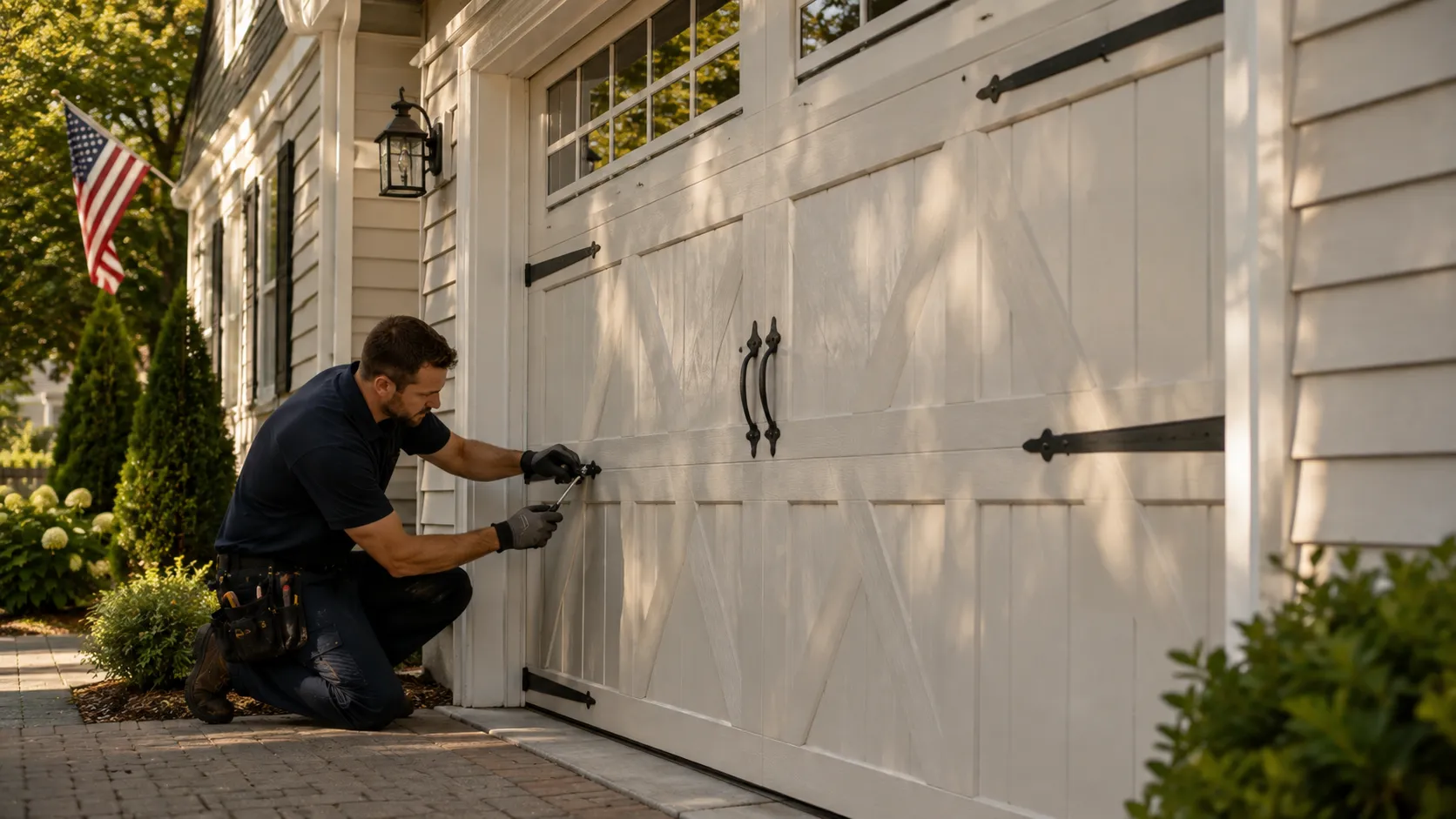
Start with the coil itself. Pull the door down by hand with the opener disconnected and look at the torsion spring above the header - a visible gap between wound coils, or rust streaking down from the tube, is a sign of fatigue that's been building through years of heat and humidity, not something that happened last week. Next, do a balance check: with the opener disconnected, the door should hold at waist height on its own.
If it drifts down, the spring has already lost meaningful tension. Check the torsion tube ends and bearing plates too - in an older, 1980s-90s build, rust from decades of humid air is common on the hardware even when the spring itself still looks intact. One limitation worth saying plainly: we don't keep every wire-gauge and wind-length spring on the truck.
Original hardware from a 1993-era door isn't always a match for what's stocked today, and getting the exact spec sometimes means a measurement visit before the repair visit. That's not us stalling - it's just what matching thirty-year-old coil sizing actually takes.
How We Can Help
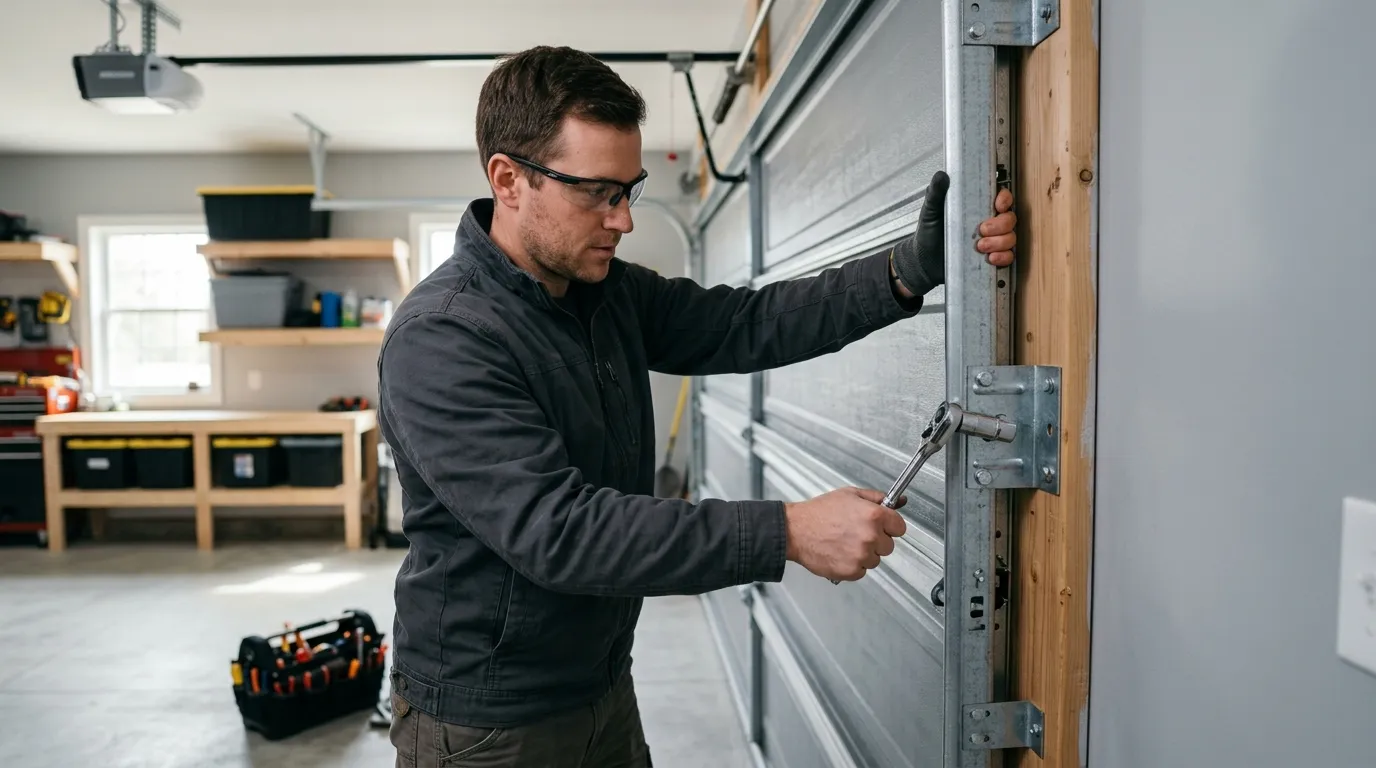
Garage Door Repair
Springs, cables, tracks, rollers, and openers fixed by a tech who explains the problem before touching anything.
Learn more →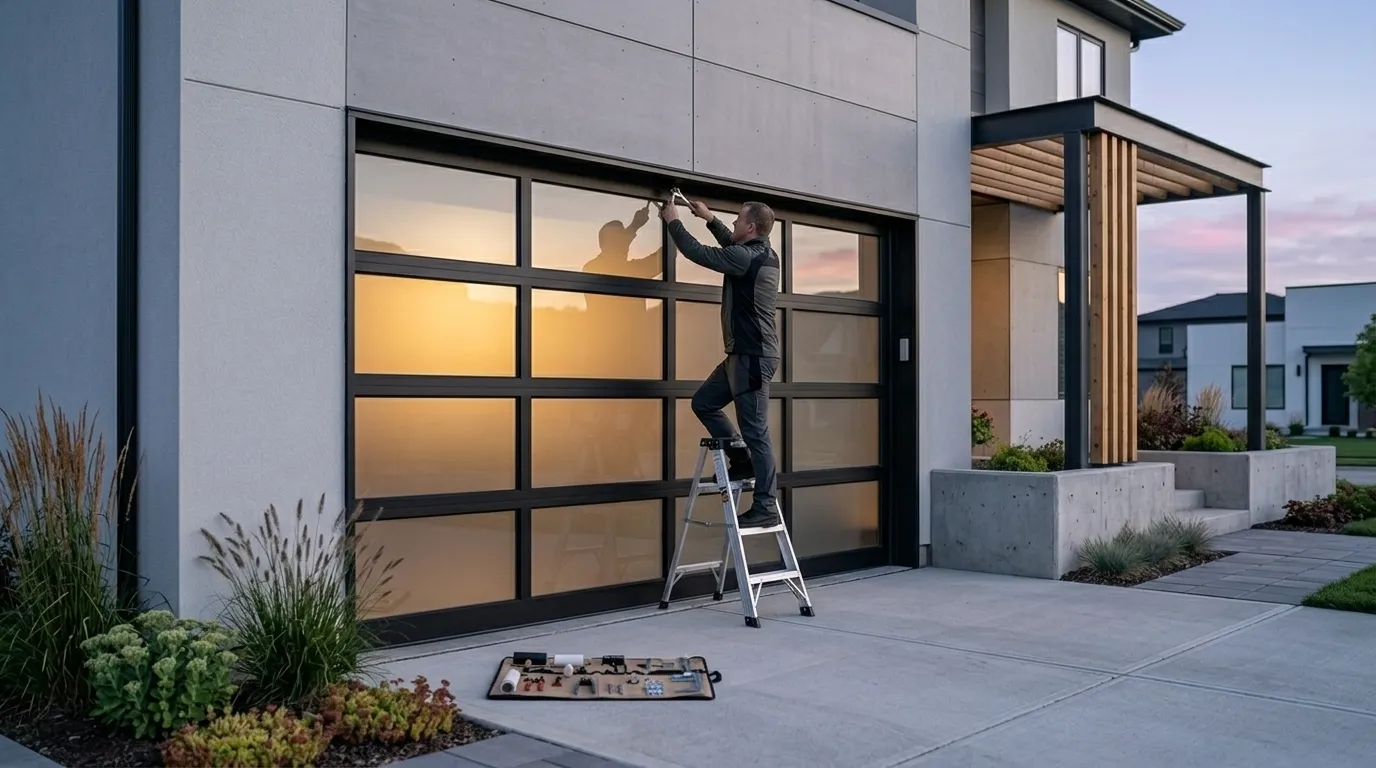
Garage Door Installation
New sectional doors sized and installed for the housing stock actually built in this area.
Learn more →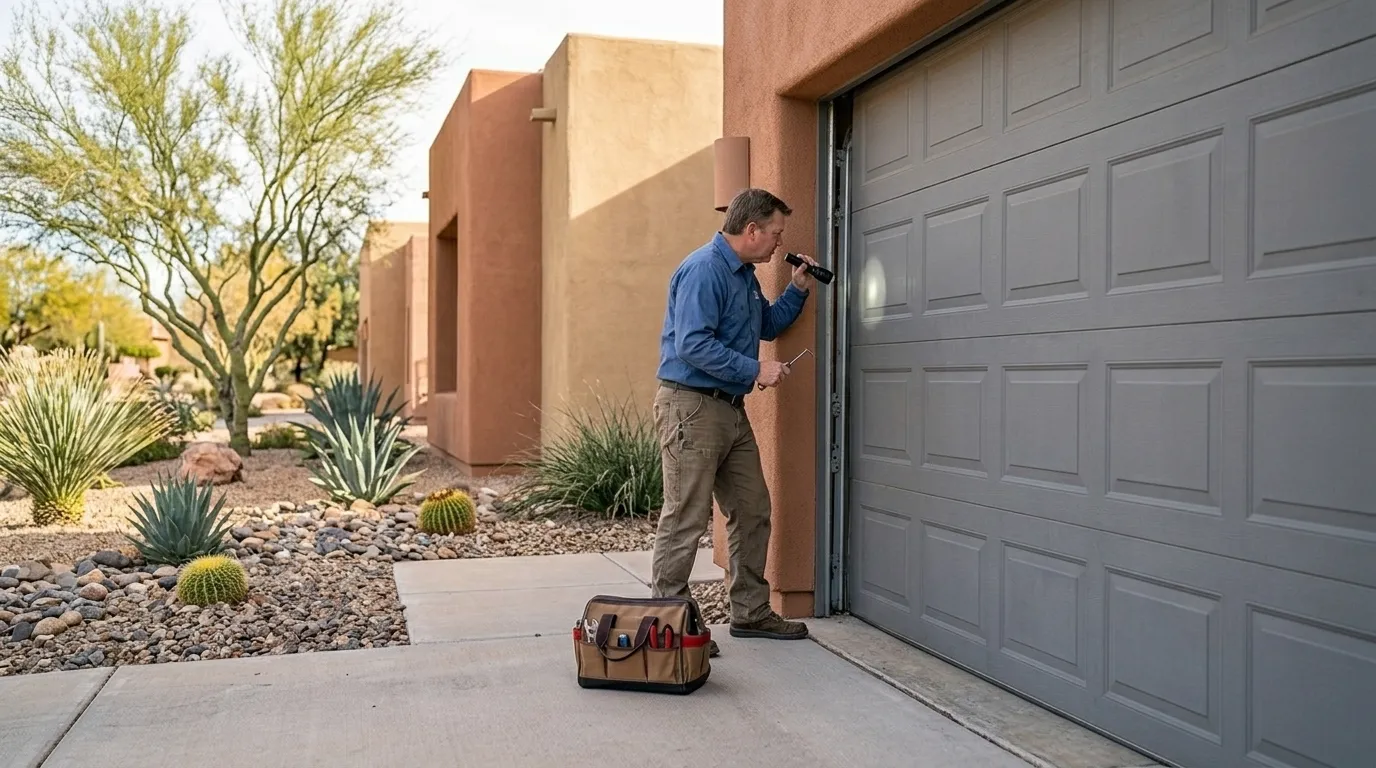
Garage Door Service
Tune-ups, lubrication, and safety checks that catch a small problem before it becomes a service call.
Learn more →Frequently Asked Questions
Why would my spring wear out if it's never been through a hard freeze?
Because in Bossier City's moderate-heat climate, the wear comes from the daily swing between hot days and cooler nights repeating for decades, not from a single cold shock. A spring built in the early '90s has absorbed that cycle for over thirty years, which uses up its wound-steel fatigue life even without a freeze ever touching it.
My house was built in the mid-90s - is the spring original?
It's possible. A lot of the service area, including houses near Red Chute and Eastwood, was built between 1981 and 1996, and many garages still run the original torsion hardware from that era. If you've never had it replaced, that spring has been cycling through Bossier City summers for close to thirty years or more.
How do I know if I can wait on a repair?
If the door opens and closes evenly with no gap visible in the spring coils and the opener isn't straining, you can wait. Once you see coil separation, hear the motor working harder, or feel the door sag on its own, that's past the safe-to-wait point.
Have a Door That Needs a Second Opinion?
Call and describe what it is doing - we will tell you what it likely is.