
Bossier City Garage Door Guide
What Bossier City's 1990s-era homes mean for your garage door
Bossier City homes mostly date to 1981-1996. Here's what that build era and our heat mean for your garage door springs, tracks, and opener today.
- Licensed & Insured
- Same-Area Service Calls
- Upfront Pricing
What Local Conditions Do
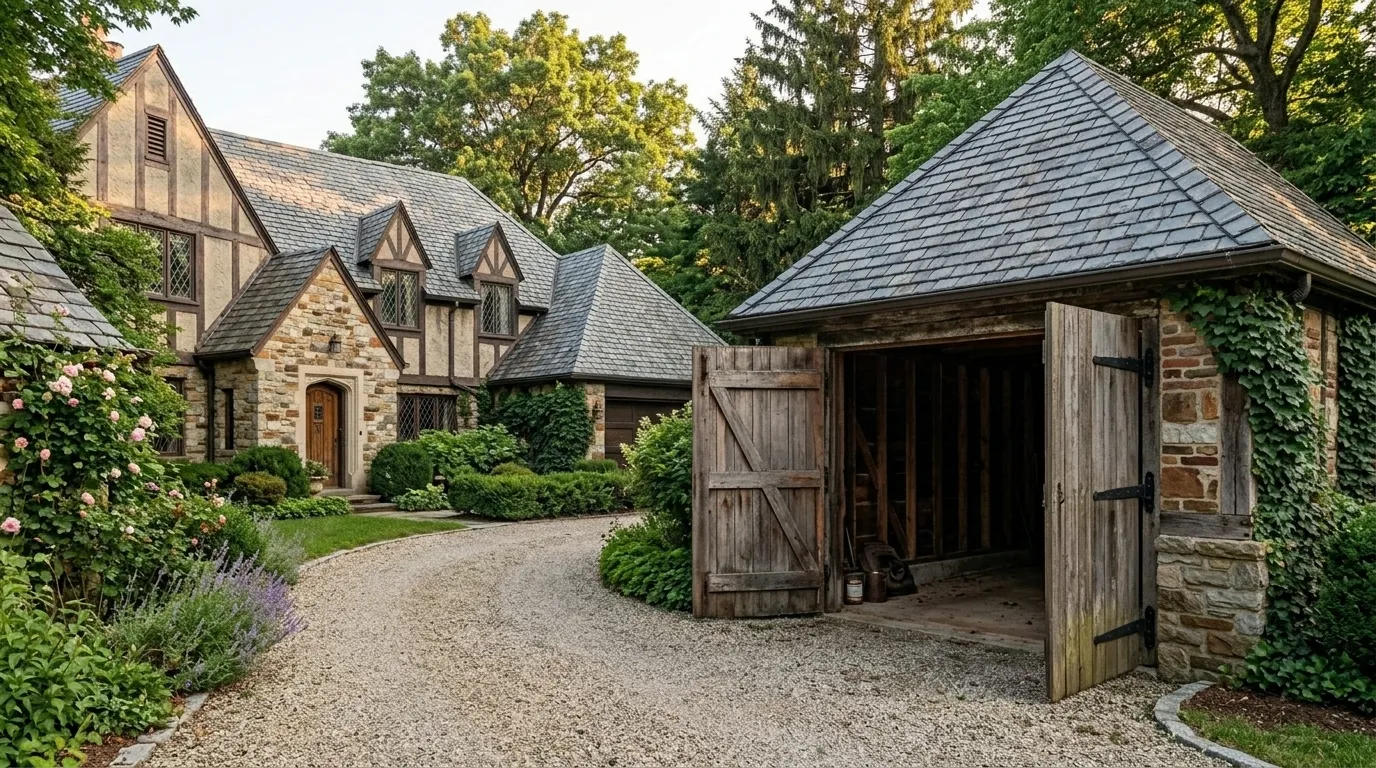
Most houses across Bossier City's neighborhoods went up between 1981 and 1996, with a median build year of 1993. That's true across the eight areas we work - Red Chute, Eastwood, Haughton, Lakeview, Benton, Blanchard, Greenwood, and Stonewall - where the stock is overwhelmingly 1980s and 90s construction rather than a mix of eras.
That matters because a garage door isn't a fifty-year part. Springs, rollers, and the opener's gear kit have a working life measured in cycles, and a door installed when the house was framed in 1993 is now 30-plus years into hardware that was never meant to last that long.
Our climate band here runs moderate heat, not the extreme swings some regions deal with. That's a mild blessing - it means less thermal cycling stress on steel panels and seals than you'd see in a harsher climate. But it doesn't cancel out age.
A door can sit in a moderate climate its whole life and still wear out on schedule, because springs fail on cycle count and friction, not on weather alone. The two factors - build era and climate - don't fight each other here, they just point at the same conclusion: check the hardware, not just the paint.
The Problem
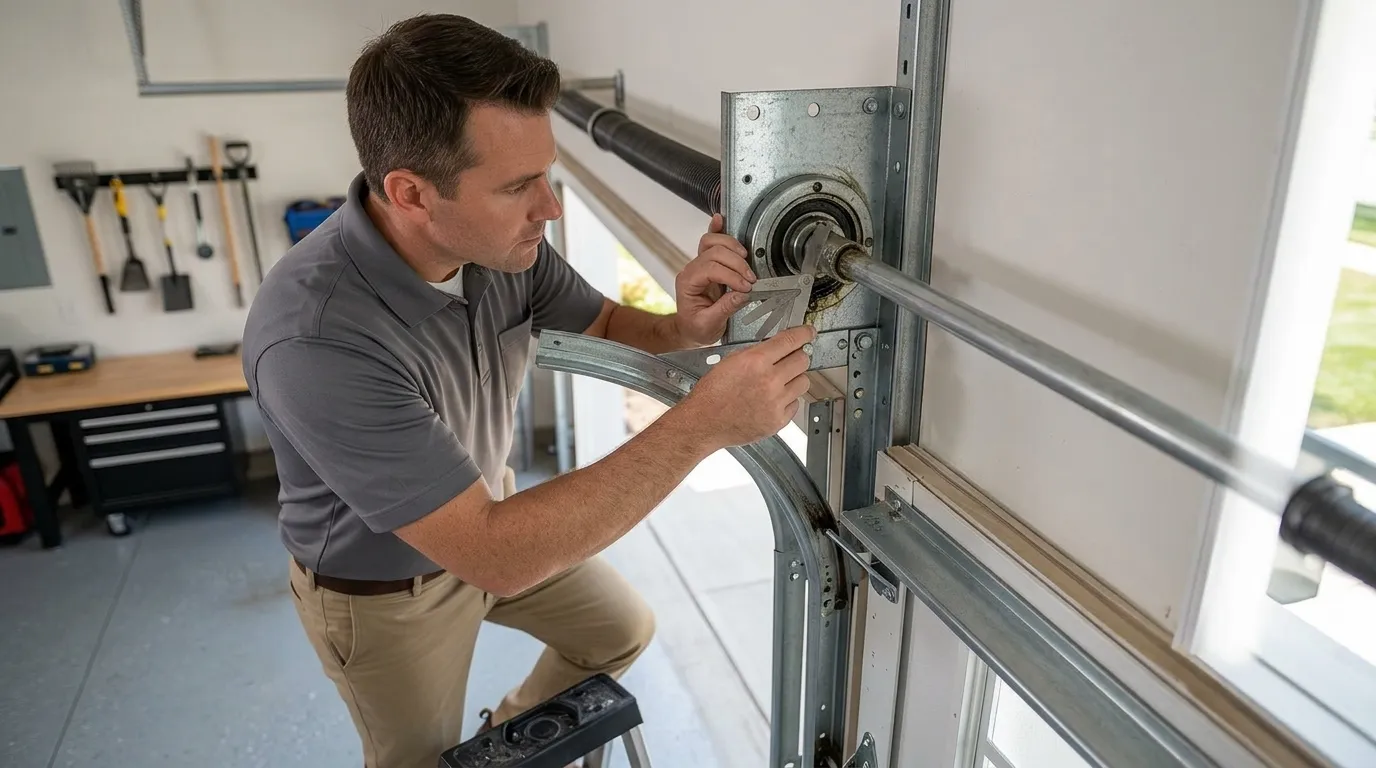
The doors that went up on these 1981-1996 houses were built to the standards of that decade. Insulation requirements for garage doors weren't part of most residential codes back then, so a lot of what's out there are doors on houses built before insulation rules - single-layer steel, no thermal break, and springs sized for that lighter panel weight. When an owner later swaps in a heavier insulated door without upsizing the spring, the original torsion spring gets worked harder than it was rated for, and it fails sooner than it should.
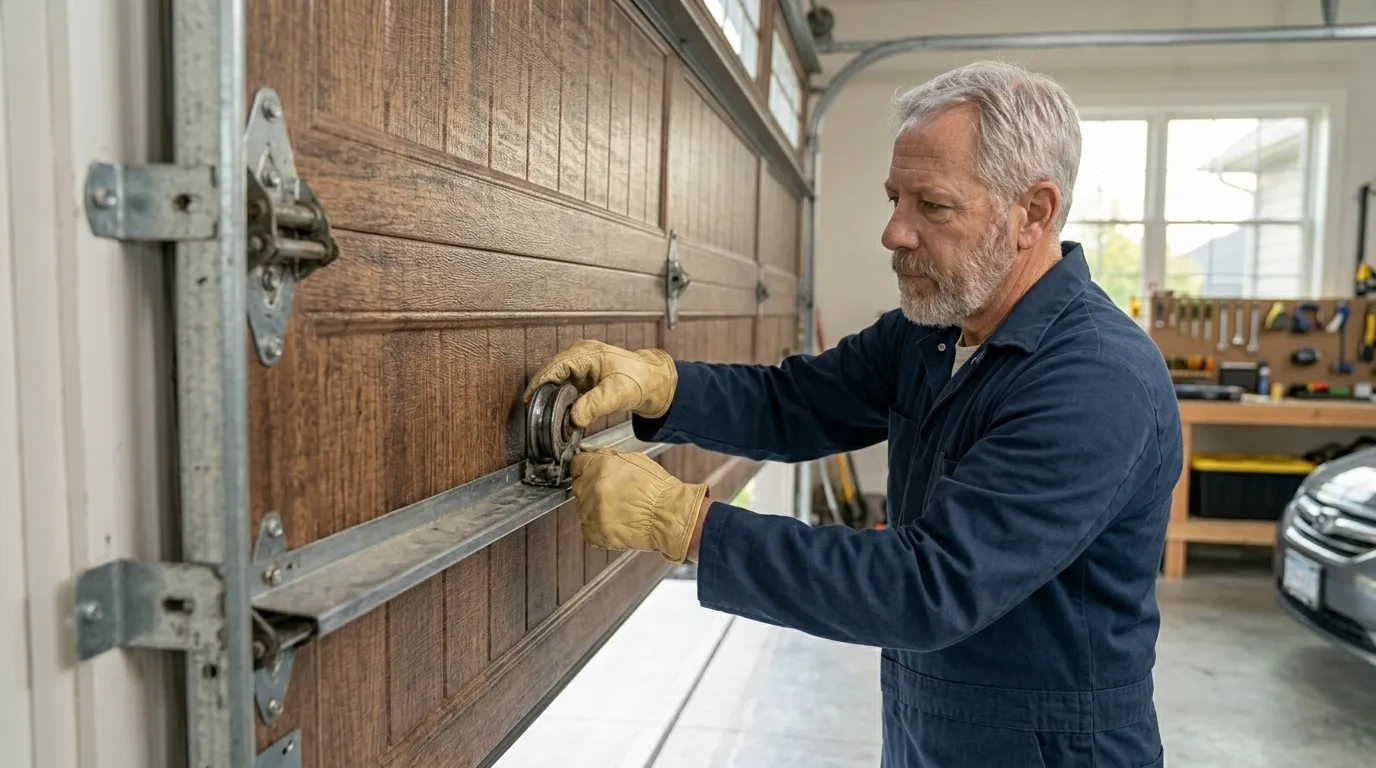
The other issue is quieter: rollers and hinges from that era are usually plain steel, not nylon, and after three decades of use they've worn oval instead of round. That shows up as a door that shudders partway through its travel or an opener that strains and clicks off before the door reaches the floor. None of this is dramatic until the day a cable snaps or a spring lets go under tension - and on a 30-year-old system, that day comes without much warning.
Doing Nothing For Now
Not every issue on a 1990s-era door needs a same-week call. If the door still opens smoothly, the springs aren't visibly stretched or gapped, and the noise is a mild squeak rather than a grind or a bang, you can reasonably wait and keep an eye on it. Waiting costs you nothing if the door is still behaving.
Here's the honest limitation: we can't tell you over the phone whether a spring from 1993 has another year in it or another week. Spring life depends on cycle count, not calendar age alone, and nobody's kept a log of how many times that door has opened.
So "doing nothing" is a real option, but it's a bet, not a plan - and once a torsion spring starts showing rust pitting or the coils sit unevenly, that bet gets worse fast. At that point the honest answer is to have it looked at, not to wait for the failure.
What to Look At First
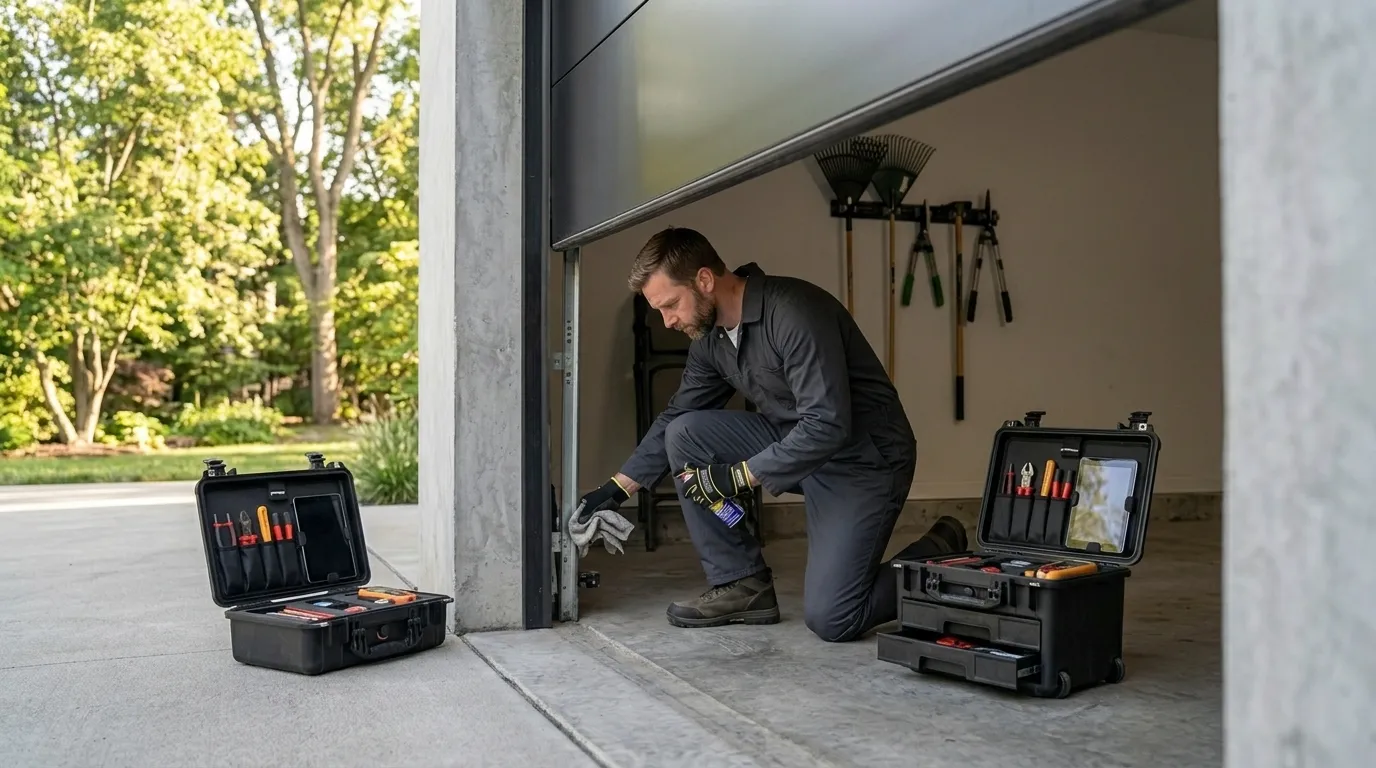
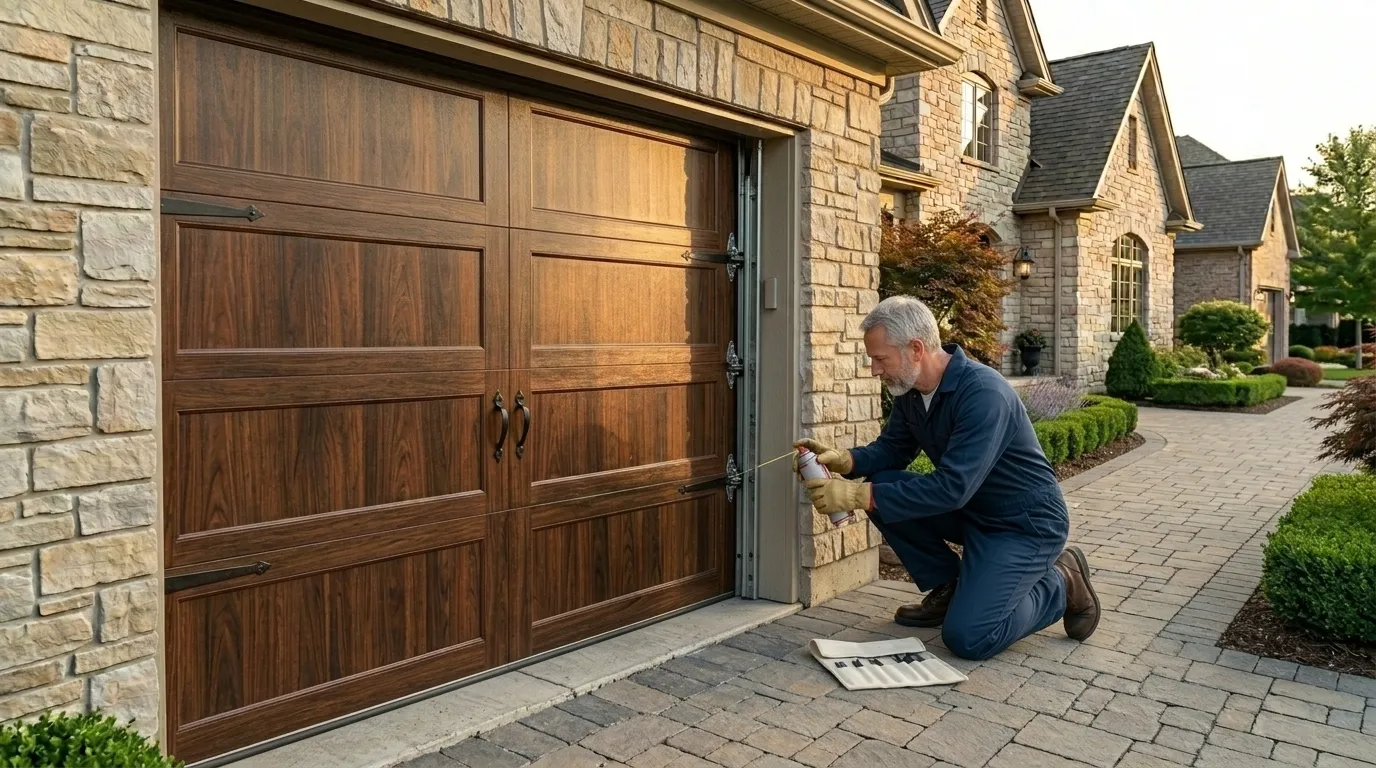
Start with the springs. On a door from the 1981-1996 stock common around here, look for rust concentrated at the coil ends, visible gaps between coils when the door is down, or a spring that looks stretched compared to its partner. Uneven coils on a two-spring setup is a sign one has already lost tension.
Next, the rollers and track. Original steel rollers from this era wear into an oval shape you can sometimes see with the door partly open - that's what causes the shudder. Check the track for looseness at the brackets, since 30 years of vibration works screws loose.
Last, the weatherseal at the bottom and sides. On houses in Bossier City's income range - median household income here runs $60,142 - a full door replacement is a bigger financial call than most repair jobs, so it's worth ruling out the smaller fixes first: reseal, re-roll, respring, before assuming the whole door needs to go.
How We Can Help
Garage Door Repair
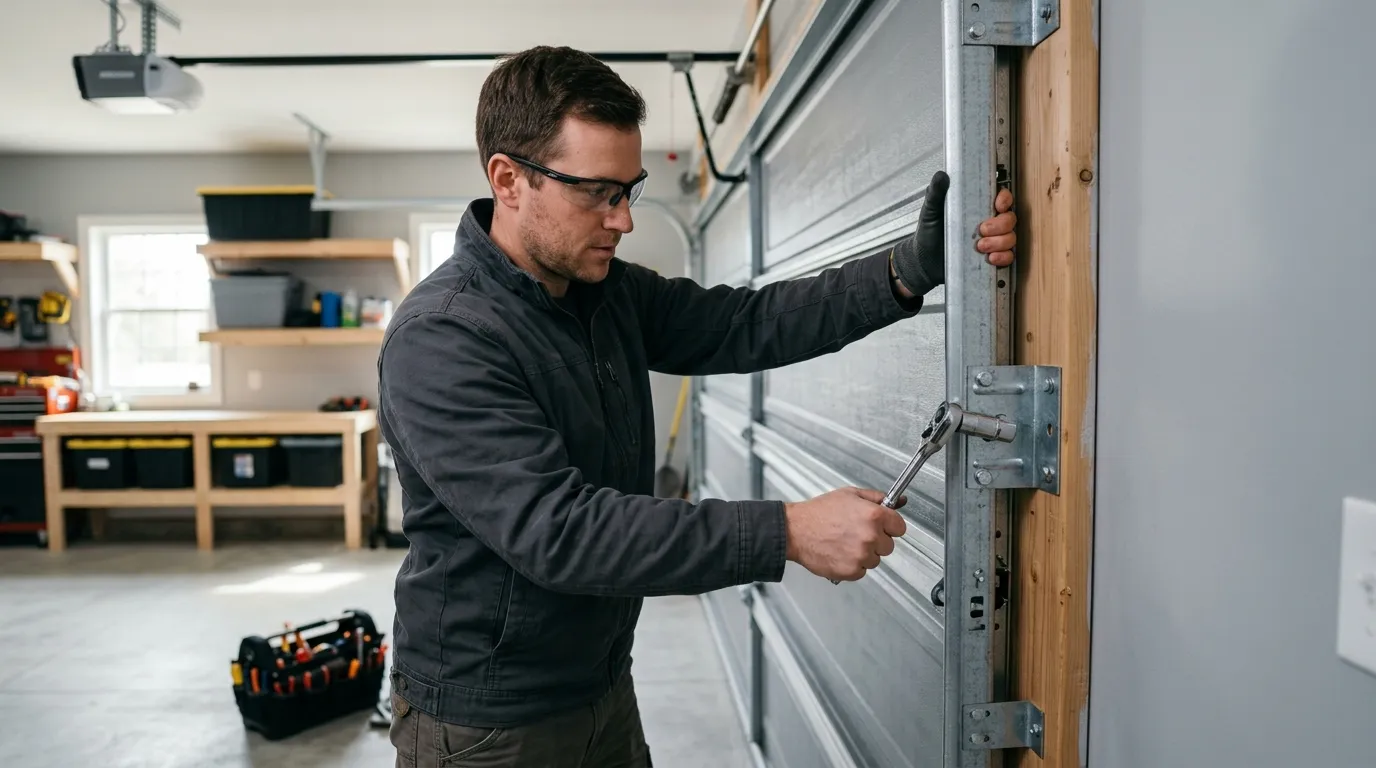
Springs, cables, tracks, rollers, and openers fixed by a tech who explains the problem before touching anything.
Learn more →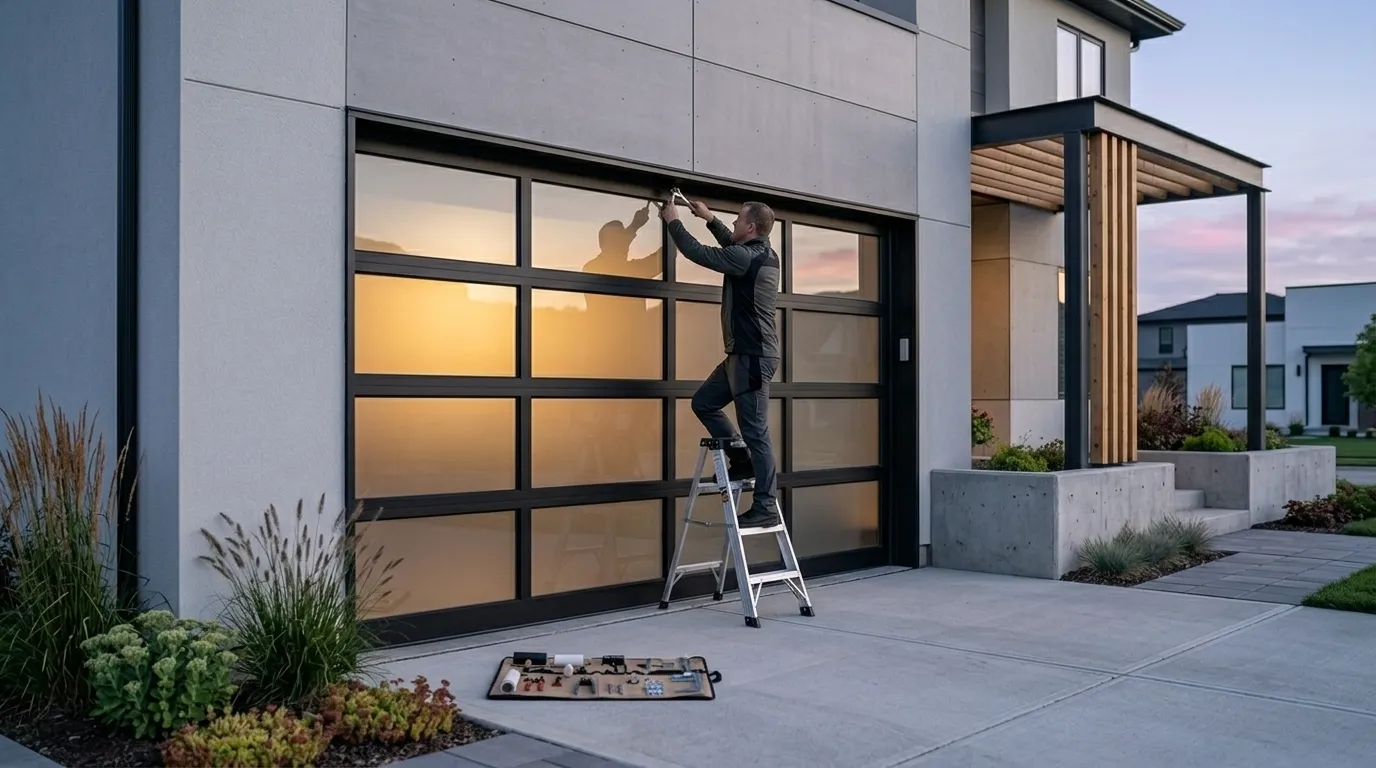
Garage Door Installation
New sectional doors sized and installed for the housing stock actually built in this area.
Learn more →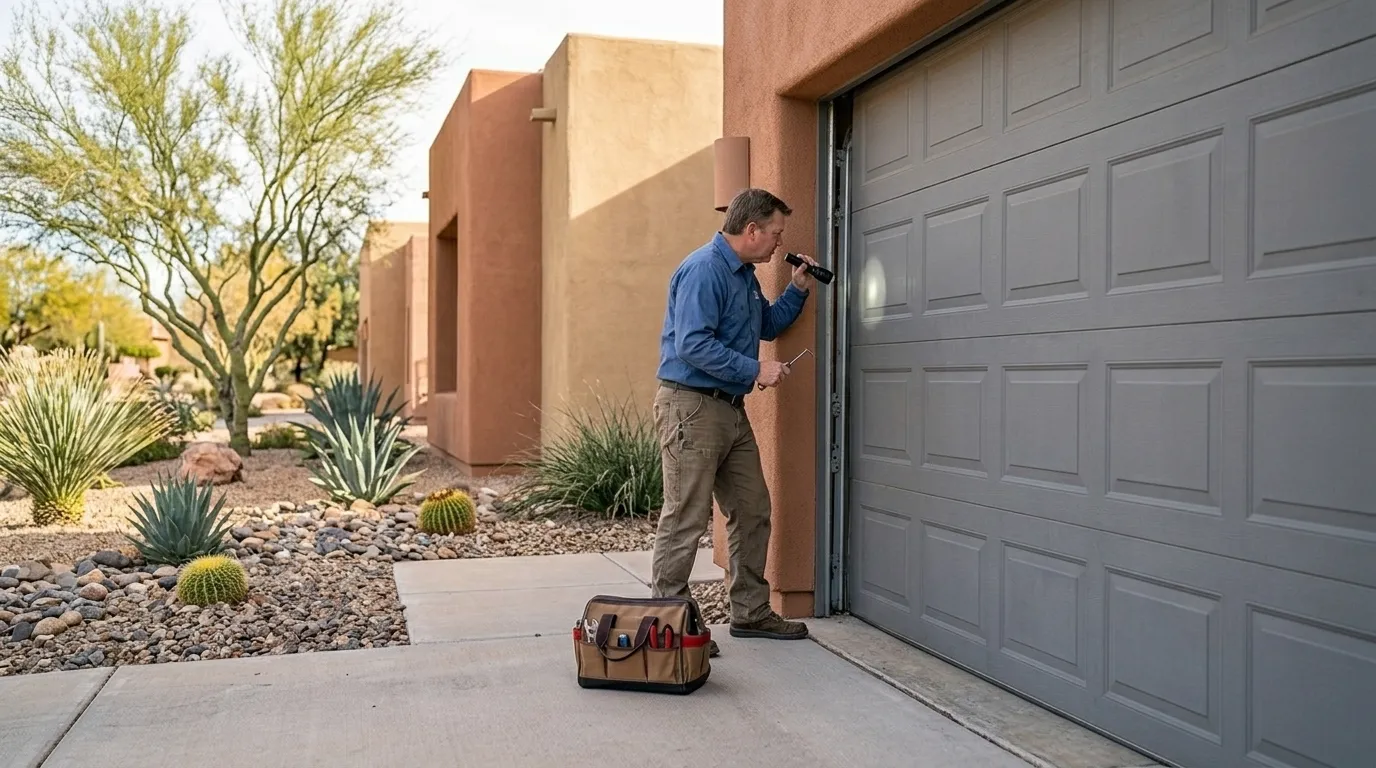
Garage Door Service
Tune-ups, lubrication, and safety checks that catch a small problem before it becomes a service call.
Learn more →Frequently Asked Questions
How old is a typical garage door in Bossier City likely to be?
Most houses in this area were built between 1981 and 1996, with a median year of 1993. If the door hasn't been replaced since the house was built, you're looking at hardware that's roughly 30 to 40 years old - well past the point where springs and rollers should still be original.
Does the heat here shorten garage door life?
Bossier City sits in a moderate heat band, not an extreme one, so thermal stress on panels and seals is milder than in harsher climates. Age and cycle count matter more here than heat alone - a 1990s-era spring wears out on use, not weather.
Are original 1990s garage doors insulated?
Generally not. Insulation requirements weren't standard in residential garage door codes when most Bossier City homes were built, so original doors from that era are typically single-layer steel without a thermal break.
Is it worth repairing an old door or replacing it?
Given the median household income in this area is $60,142, replacement is a bigger expense than most owners want to take on without ruling out repair first. Check springs, rollers, and seals before assuming the whole door needs to go.
Have a Door That Needs a Second Opinion?
Call and describe what it is doing - we will tell you what it likely is.