
Bossier City Garage Door Guide
What We Actually Check When We Come Out to Your Door
Bossier City homes mostly date to 1981-1996 with moderate heat exposure. Here's what a garage door service call actually checks on hardware that age in this climate.
- Licensed & Insured
- Same-Area Service Calls
- Upfront Pricing
What Local Conditions Do
Bossier City sits in a moderate heat climate band, not the extreme swings you get further north or in a coastal humidity pocket. That matters more than people think. A moderate heat band still means real summer heat, day after day, for months, and that heat cycles the metal and rubber on your door every single day whether you notice it or not.
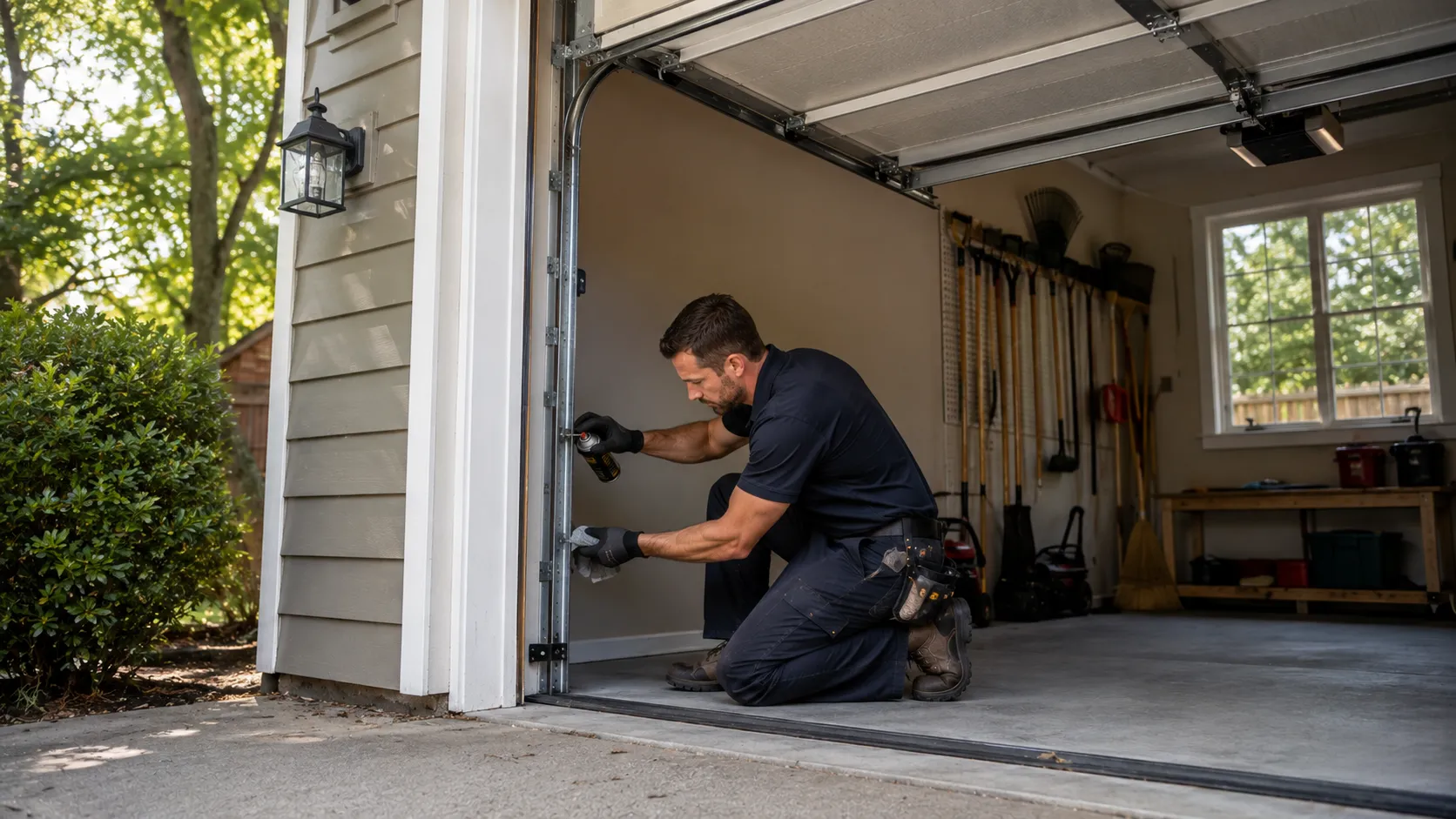
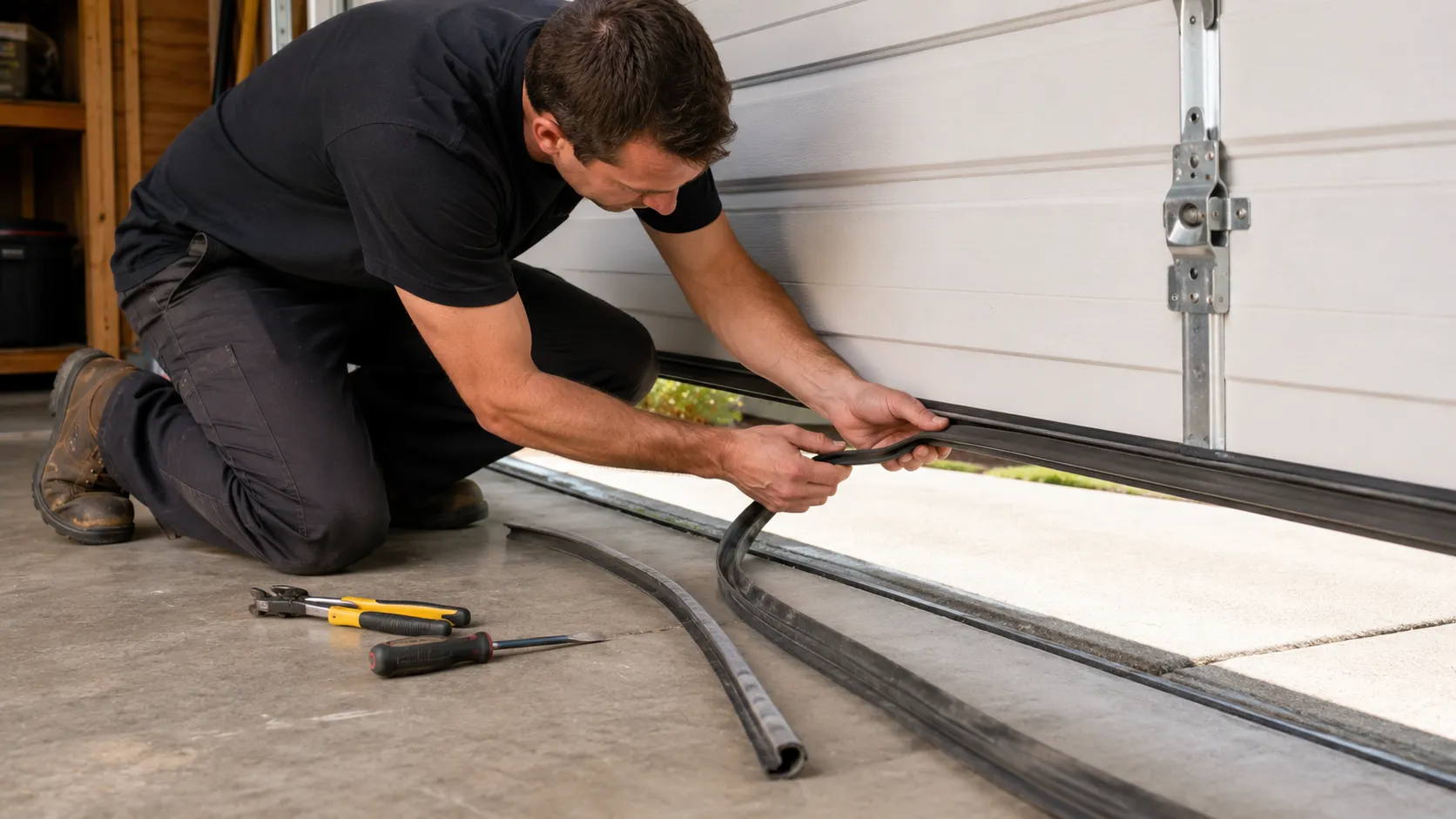
Steel tracks expand a little in the afternoon and contract again overnight. Vinyl weatherstripping along the bottom panel hardens faster in sustained heat than it would somewhere cooler. Nylon rollers, which were standard on doors built through the 1980s and 90s, get brittle from repeated heat exposure long before they wear out from actual use.
None of this shows up as a dramatic failure. It shows up as a door that's slightly louder than it used to be, a seal that doesn't sit flat anymore, or a roller that's started to flat-spot. A service call in this area starts by accounting for that slow heat cycling, not just counting miles on the opener.
The Problem
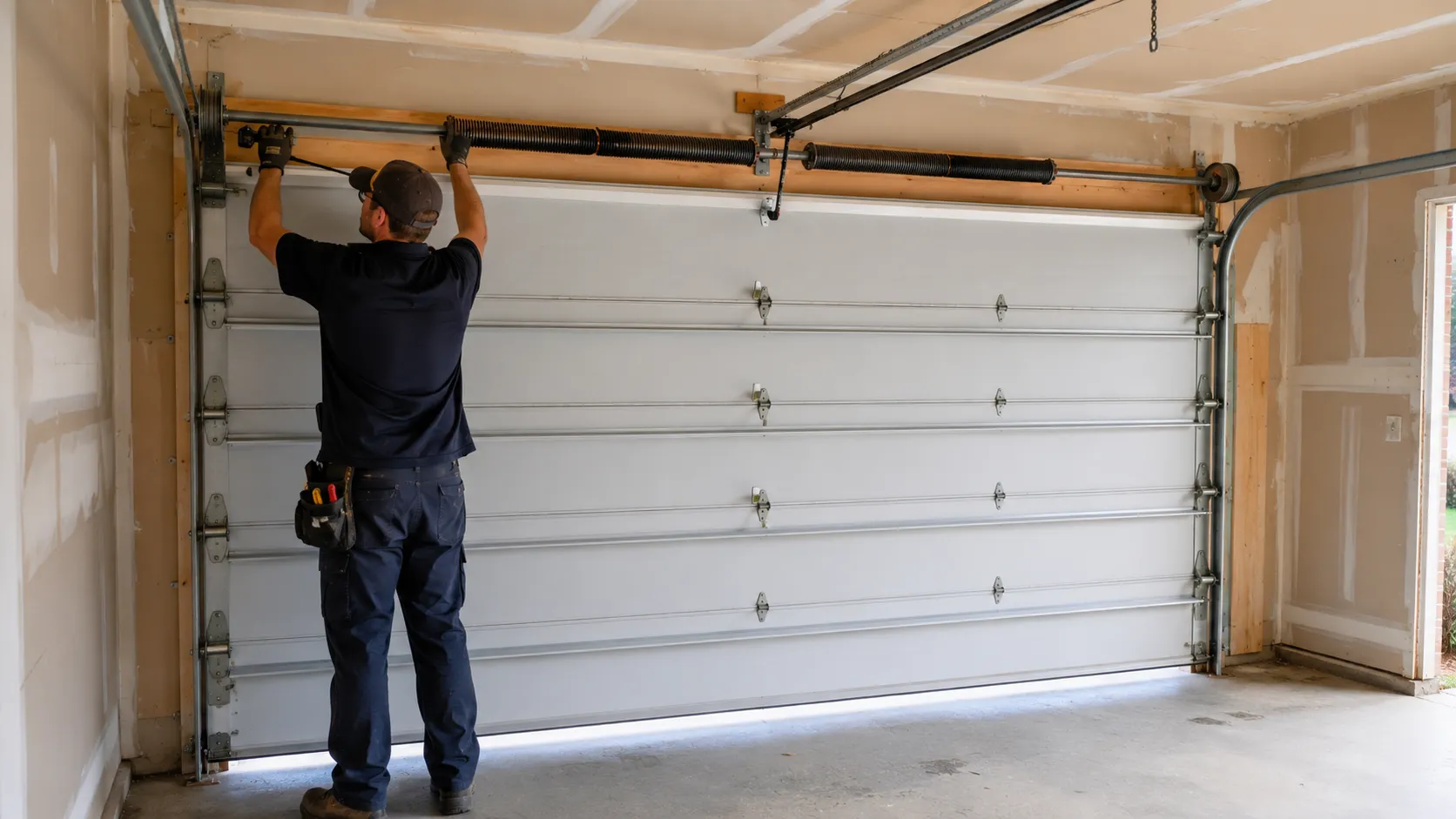
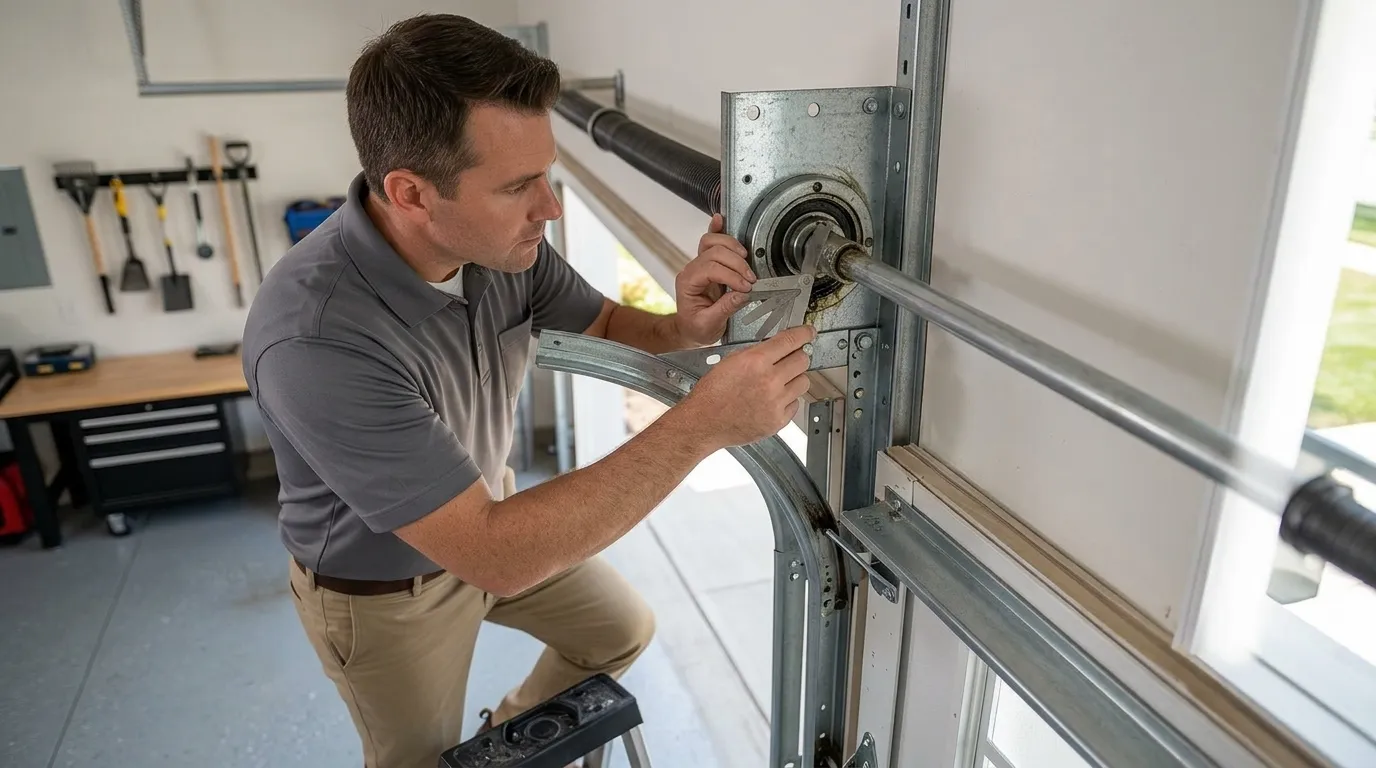
Most of the housing across this service area - Red Chute, Eastwood, Haughton, Lakeview, Benton, Blanchard, Greenwood, and Stonewall - was built between 1981 and 1996, with a median build year of 1993. That puts a lot of original garage door hardware at 30 to 40 years old right now. Torsion springs are rated in cycles, not years, but a door used twice a day for three decades has put a spring through more open-close cycles than it was ever designed for.
" In a neighborhood built in the early 90s, the answer is often that nobody's touched the spring since the house was framed. That changes what the visit looks like. We're not troubleshooting a random glitch.
We're looking at hardware that's simply reached the end of its rated life in a house that's the same age as the spring.
Doing Nothing For Now
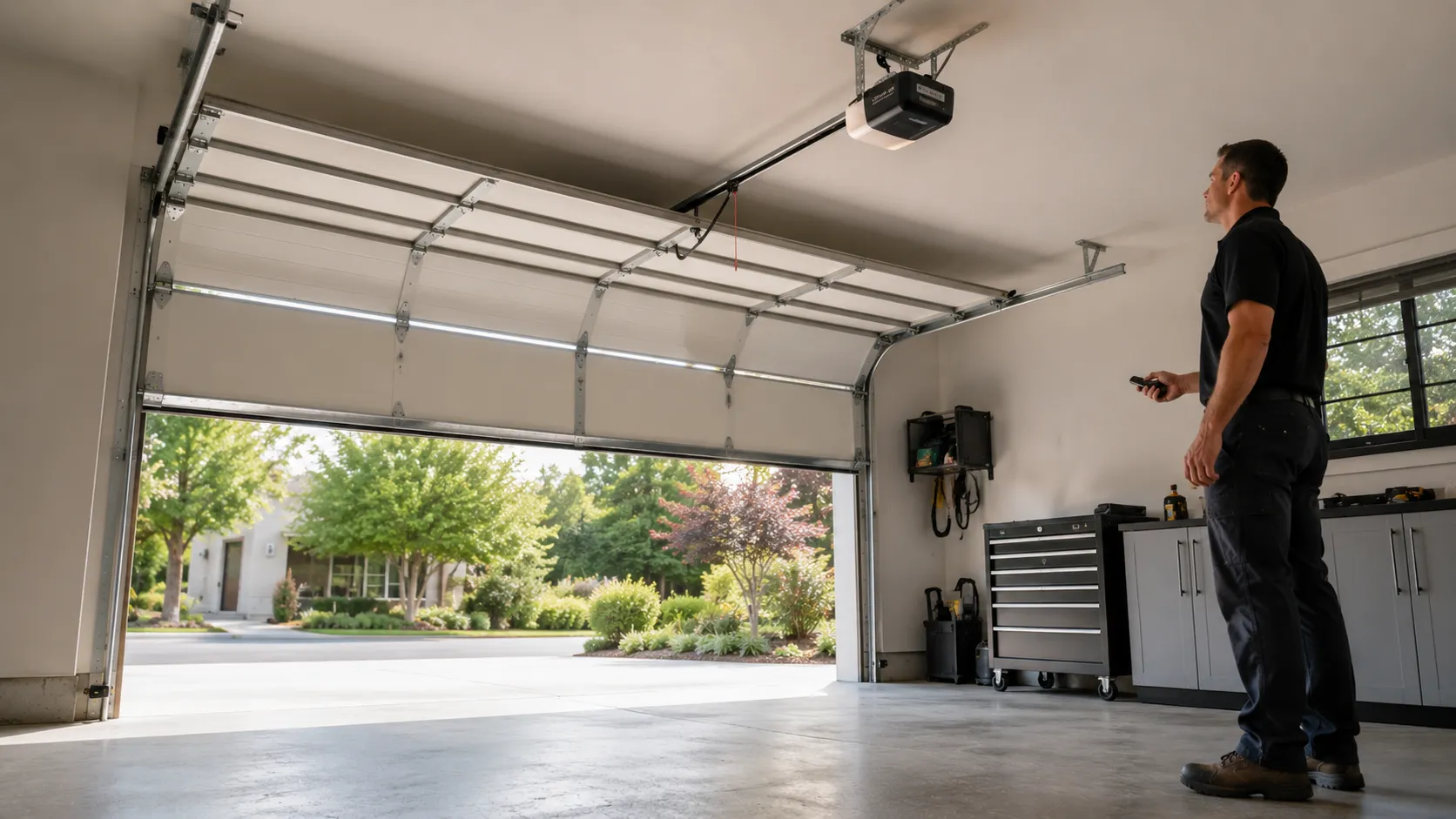
Not every noise or stiff spot needs a same-day fix, and we'll tell you that when it's true. A door that's a little slow to open but still tracks straight and closes flush can usually wait a few weeks without turning into an emergency. Where we draw the line is anything involving the spring itself - visible gaps in the coil, a door that's suddenly heavier to lift by hand, or a cable that's frayed.
Those don't improve with time, and on a house from the early 90s with original hardware, they're often already close to the end. Our honest limitation here: we don't stock every part on the truck for every door, especially older models where the panel or track spec has changed since installation, so a repair on original 1980s or 90s hardware sometimes means a return trip once we've got the right part. We'd rather tell you that up front than pretend every job wraps in one visit.
What to Look At First
Before you call, walk out and look at three things. First, the spring - is it one solid coil above the door, or has it clearly separated. Second, the rollers - if you can see them from underneath, check whether they're still round or have gone slightly oval and worn on one edge, common on doors that have run 30-plus years of nylon rollers through heat cycling.
Third, the bottom seal - press it with a thumb; on a door from the 1981-1996 build era it's likely original vinyl, and if it's stiff instead of pliable, that's your weatherstrip announcing its age. None of this requires tools. It just tells us, and tells you, whether the visit is a quick fix or a bigger conversation about replacing hardware that's simply outlived its cycle life.
We work across Red Chute, Eastwood, Haughton, Lakeview, Benton, Blanchard, Greenwood, and Stonewall, and the checklist is the same in each because the housing stock is the same era.
How We Can Help
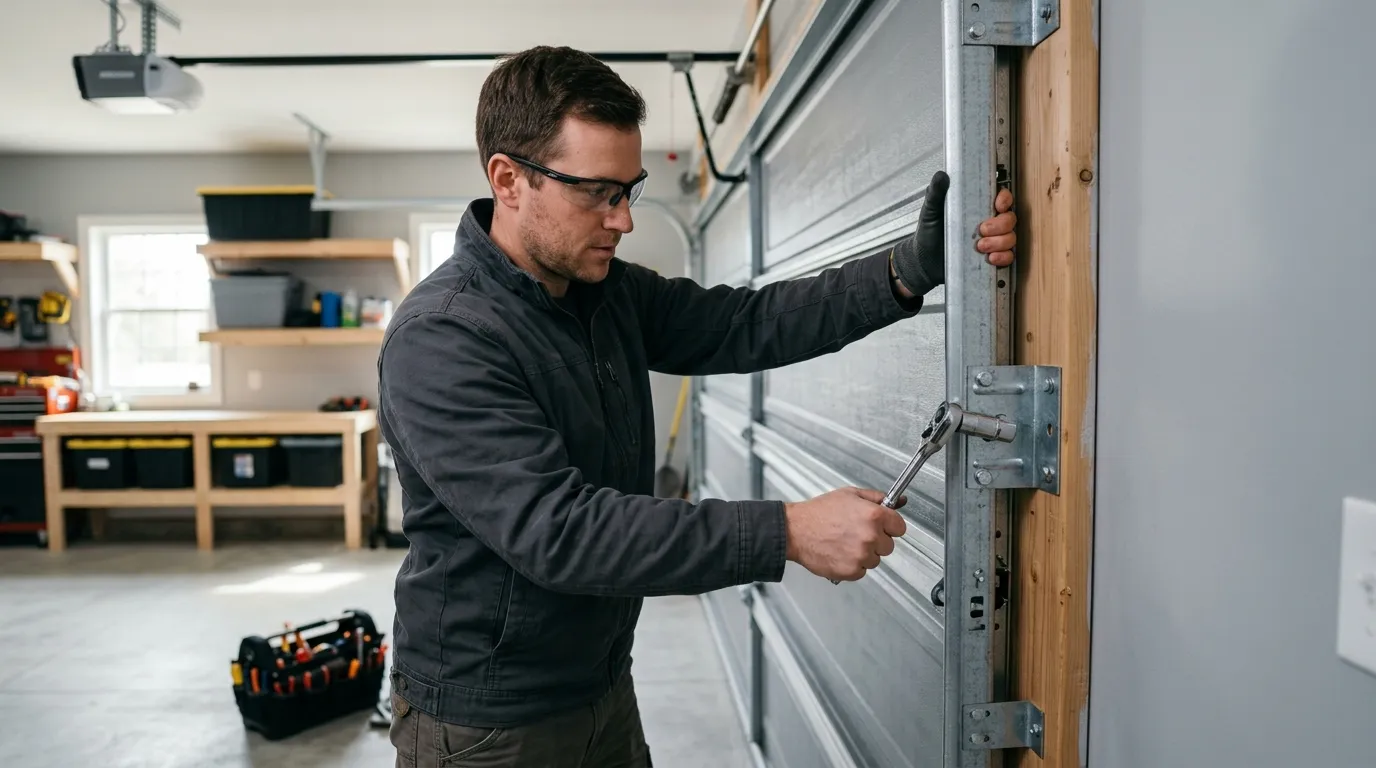
Garage Door Repair
Springs, cables, tracks, rollers, and openers fixed by a tech who explains the problem before touching anything.
Learn more →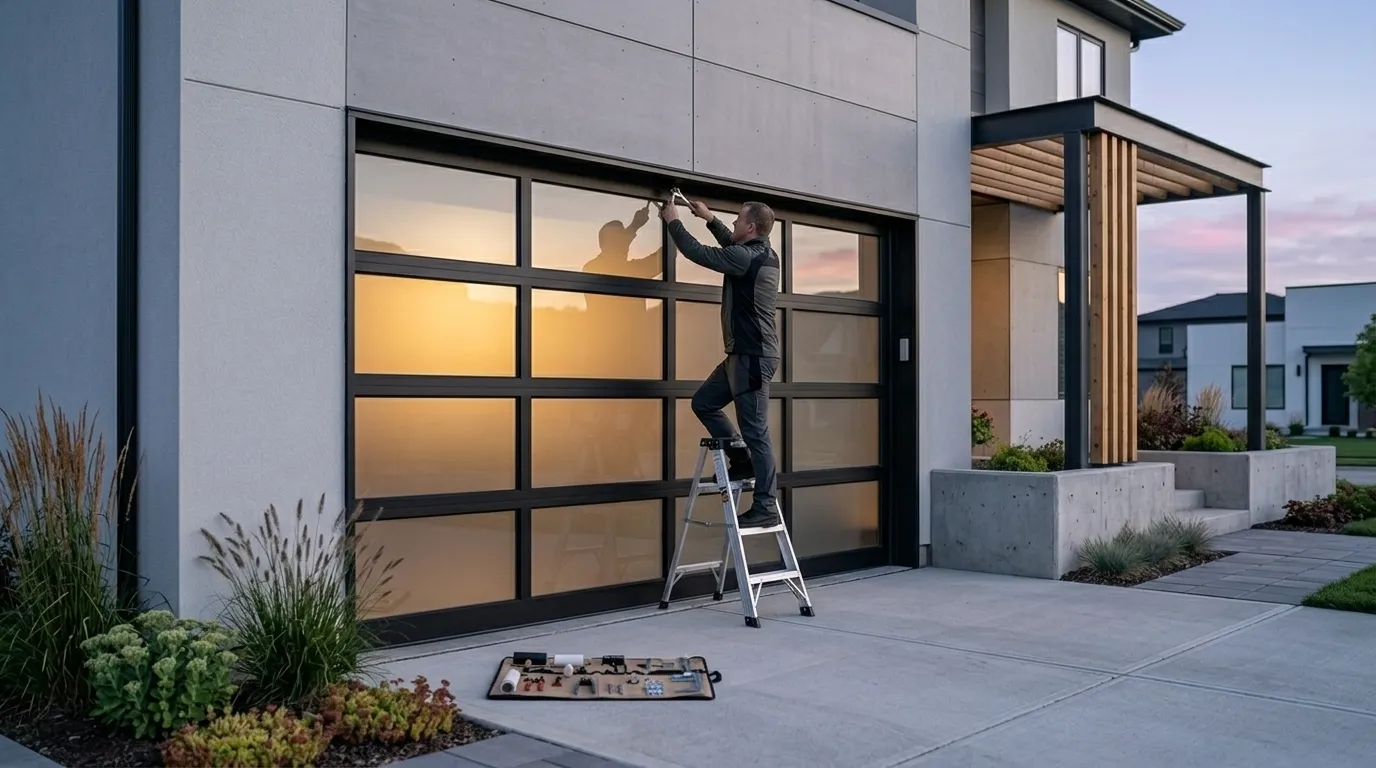
Garage Door Installation
New sectional doors sized and installed for the housing stock actually built in this area.
Learn more →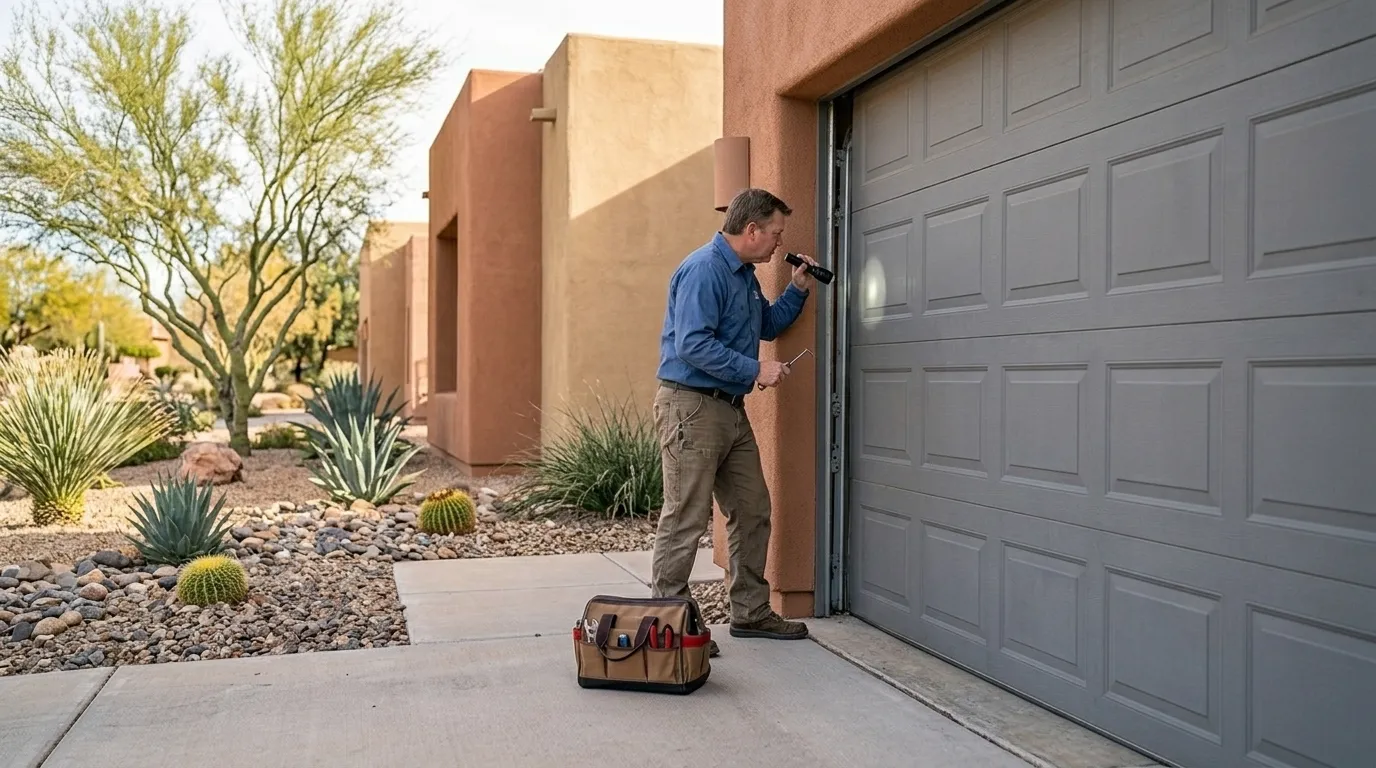
Garage Door Service
Tune-ups, lubrication, and safety checks that catch a small problem before it becomes a service call.
Learn more →Frequently Asked Questions
Why does my garage door feel heavier to lift than it used to?
On a house built in the 1980s or 90s, that's almost always the torsion spring losing tension after decades of cycles. Springs don't wear out gradually and evenly - they hold, then drop off noticeably. If lifting by hand feels like a real effort, treat it as a spring nearing the end, not a fluke.
Does the heat here actually affect garage door parts?
Yes. Bossier City's moderate heat band means sustained summer temperatures that harden vinyl seals and make nylon rollers brittle faster than in a cooler climate, even without extreme highs. It's steady heat cycling over years, not one bad day, that does the damage.
Is my door old enough that I should worry about original parts failing?
If your house was built between 1981 and 1996 - typical for this area - and nobody's replaced the spring or rollers since, yes, that hardware is past the cycle life it was rated for. It doesn't mean immediate failure, but it means the parts are due.
Do you carry parts for older doors on the truck?
Usually, but not always. Some doors from the early 90s used track and panel specs that have since changed, so occasionally a repair needs a second visit once we've sourced the right part. We'd rather say that upfront than promise a one-trip fix we can't guarantee.
Have a Door That Needs a Second Opinion?
Call and describe what it is doing - we will tell you what it likely is.