
Bossier City Garage Door Guide
Is Your Bossier City Garage Door Worth Fixing, or Time to Replace
Most Bossier City homes date to 1981-1996. Here's how that build era and our moderate heat band shape whether your door is worth repairing or replacing.
- Licensed & Insured
- Same-Area Service Calls
- Upfront Pricing
What Local Conditions Do
Most of the housing stock across this service area went up between 1981 and 1996, with a median build year around 1993. That's a specific window: doors and openers from that era used steel panels and hardware that's held up reasonably well, but the springs and rollers on a door that old have long outlived their rated cycle count even if nobody's touched them. The climate here sits in the moderate heat band, which is kinder to garage doors than a lot of the country - you don't get the freeze-thaw cracking that splits panels up north, and you don't get the extreme swings that warp wood overlays fast.
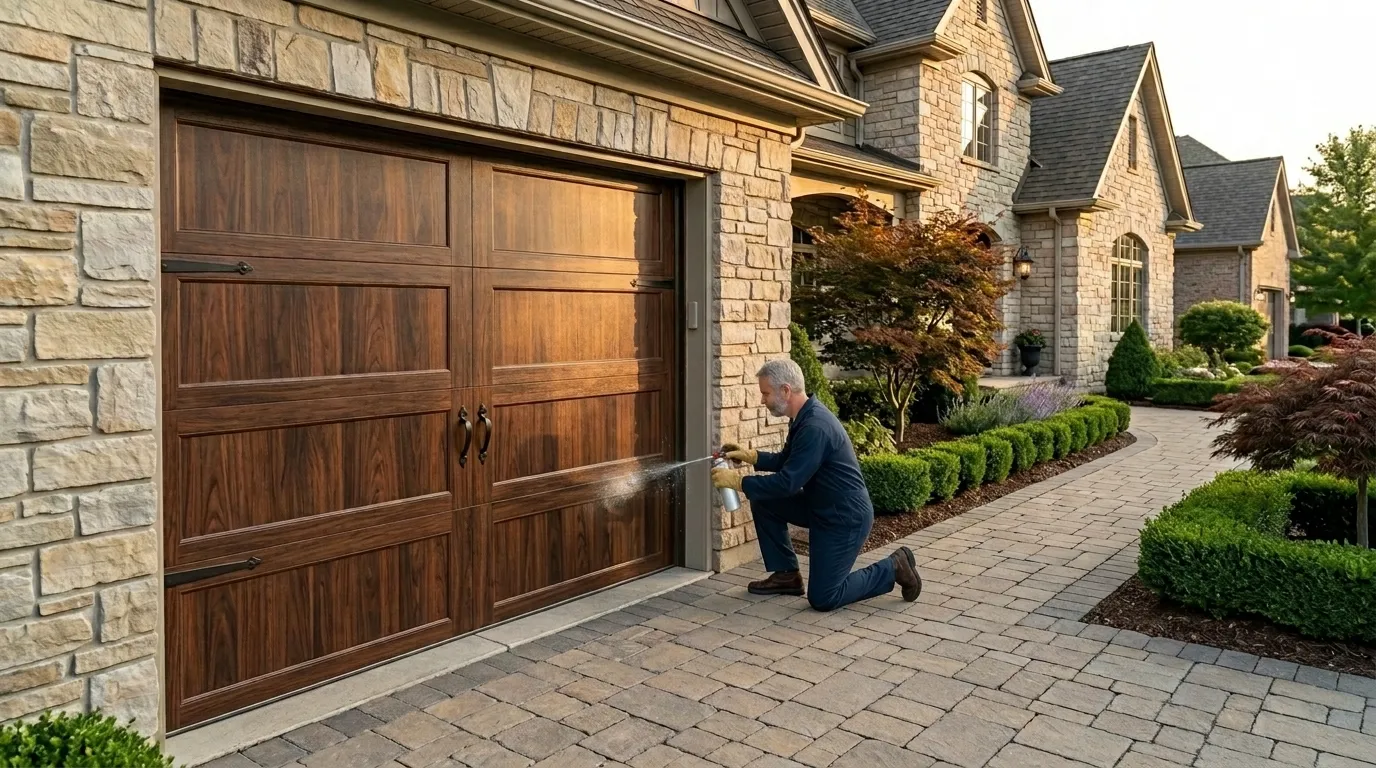
What you do get is steady summer heat that dries out lubrication and cures rubber weatherstripping brittle over a couple decades. Across the eight named areas we work in, that combination - 1980s and 90s construction plus 30-plus years of Louisiana summers - means the failures we see are less about weather damage and more about parts that simply reached the end of their working life on schedule. A door from this build window isn't old in the sense of being obsolete, but it is old enough that the original springs, cables, and rollers are past due.
The Problem
The trouble with a door built in the 1981-1996 window is that it often looks fine right up until it doesn't. Steel doesn't sag or crack the way an older wood door might, so homeowners assume everything under the skin is fine too. It usually isn't.
A torsion spring rated for a certain number of cycles doesn't care how the door looks - it just gets weaker with every open and close until it snaps, usually without warning. Rollers from that era are often the original steel-on-steel type, which get loud and start binding in the track well before they fail outright. None of this is dramatic.
It's slow wear that moderate heat accelerates a little, drying out lubricant faster than a cooler climate would, but it's not damage from a storm or a hard freeze - it's just time.
Doing Nothing For Now
Not every issue on a 1980s or 90s door needs an immediate call. If the door still opens smoothly, the springs are original but not visibly stretched or gapped, and the noise is a mild rattle rather than a grind, you can reasonably wait and keep an eye on it. Given the median household income here of $60,142, we'd rather tell you what can wait than push a job that isn't urgent yet.
What doesn't wait: a spring with a visible gap in the coil, a door that's noticeably heavier to lift by hand than it used to be, or cables that look frayed at the drum. Those are failure-in-progress signs, not maintenance items.
What to Look At First
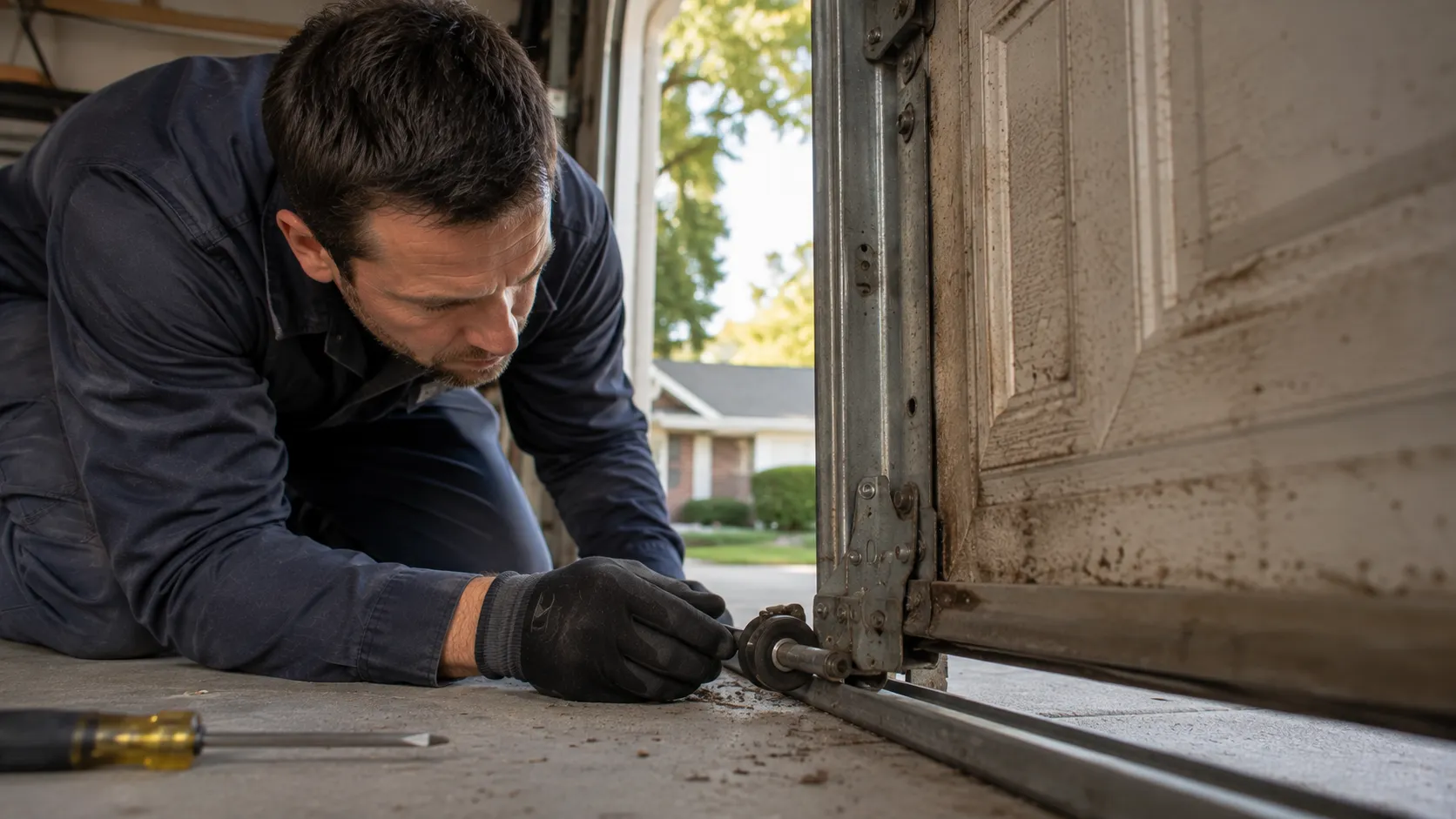
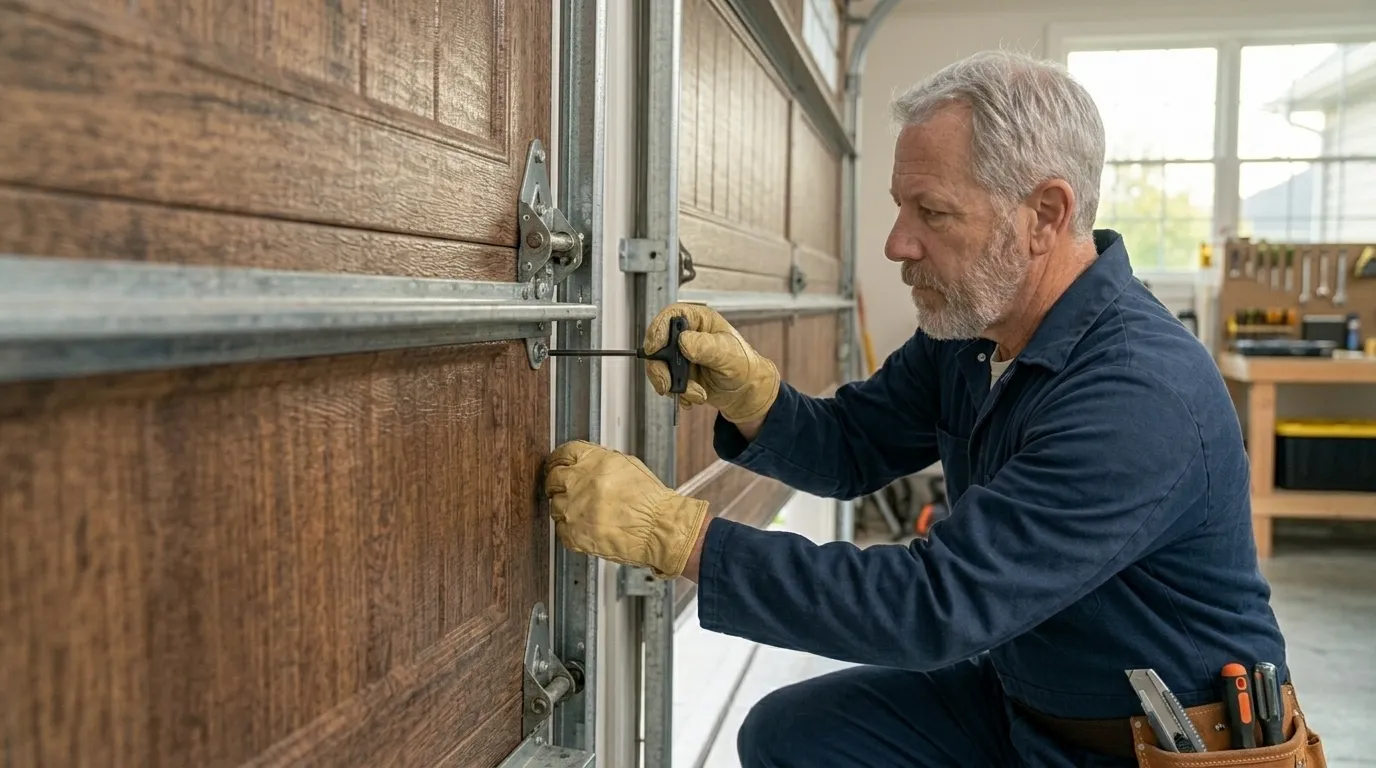
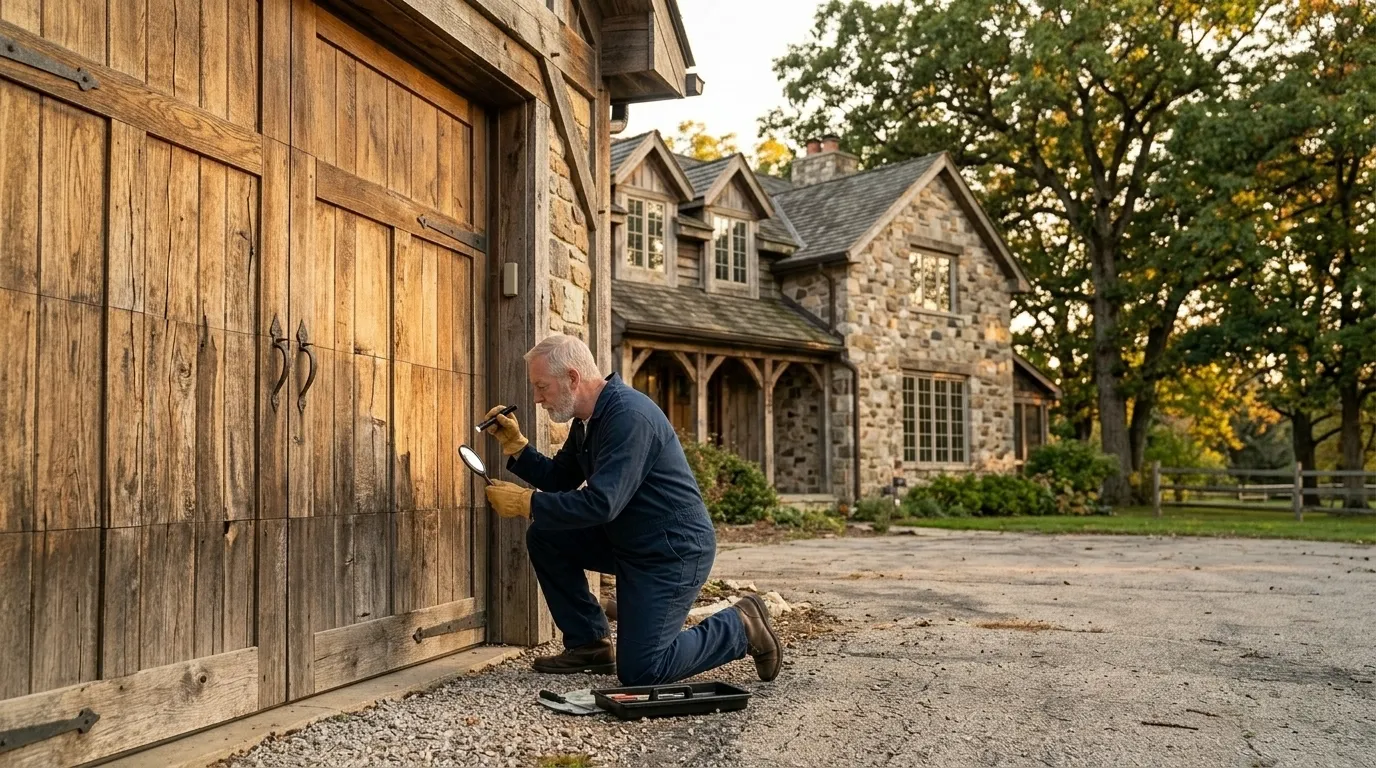
Start with the springs, since that's the part most tied to the age of the door itself. If your house falls in that 1981-1996 build range and the springs look original, that's your first stop before anything else. Next, check the rollers for pitting or flat spots - common on doors this old that still have the factory steel rollers instead of nylon.
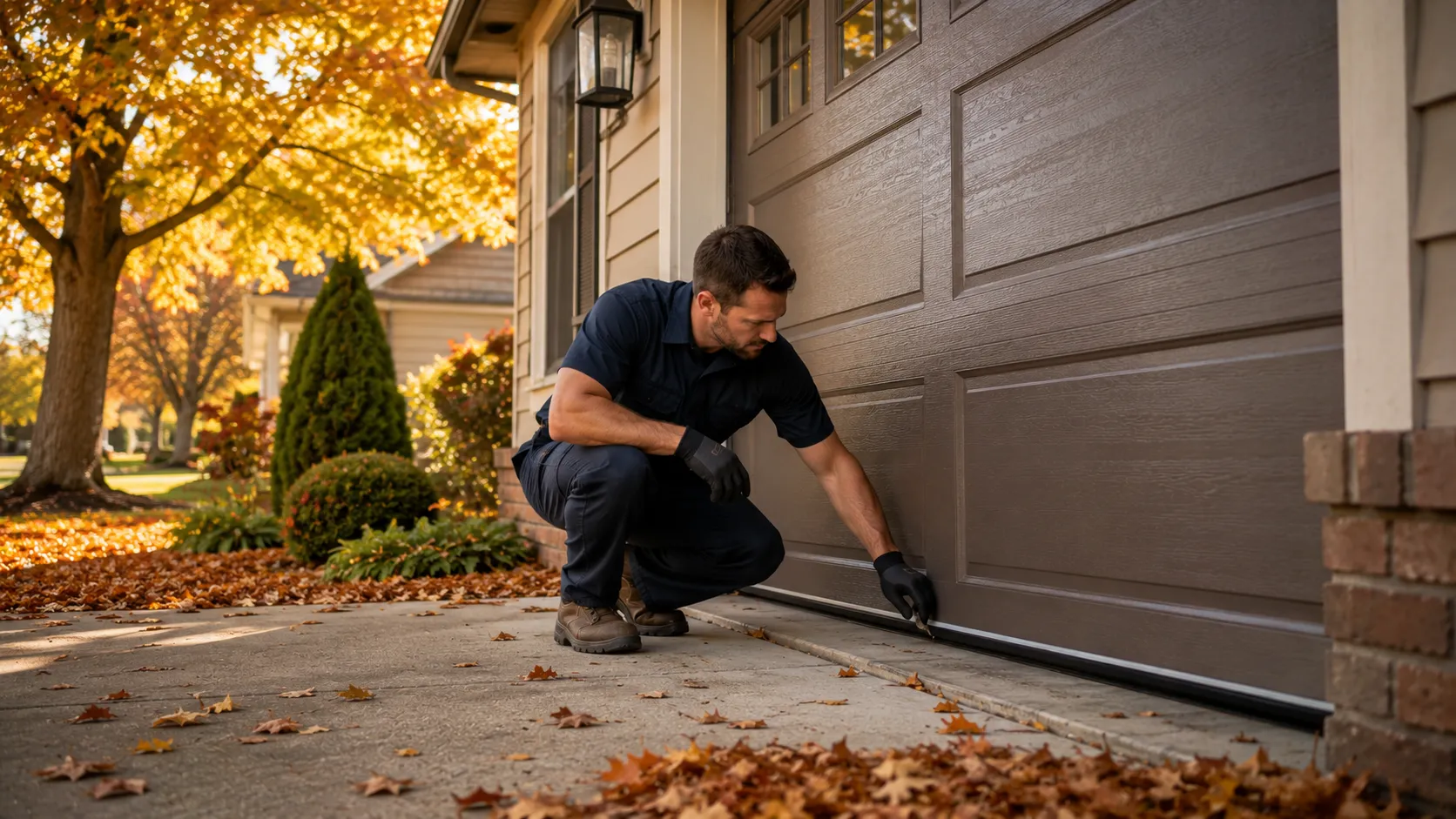
Then look at the weatherstripping along the bottom, which in our climate band tends to go brittle and crack rather than rot. We don't recommend replacing a whole door just because it's from this era - a lot of these units are structurally sound and worth keeping if the panels aren't dented or delaminating. Where we draw the line is hardware: springs, cables, and rollers on a 30-year cycle are a repair job, not a reason to replace the door.
How We Can Help
Garage Door Repair
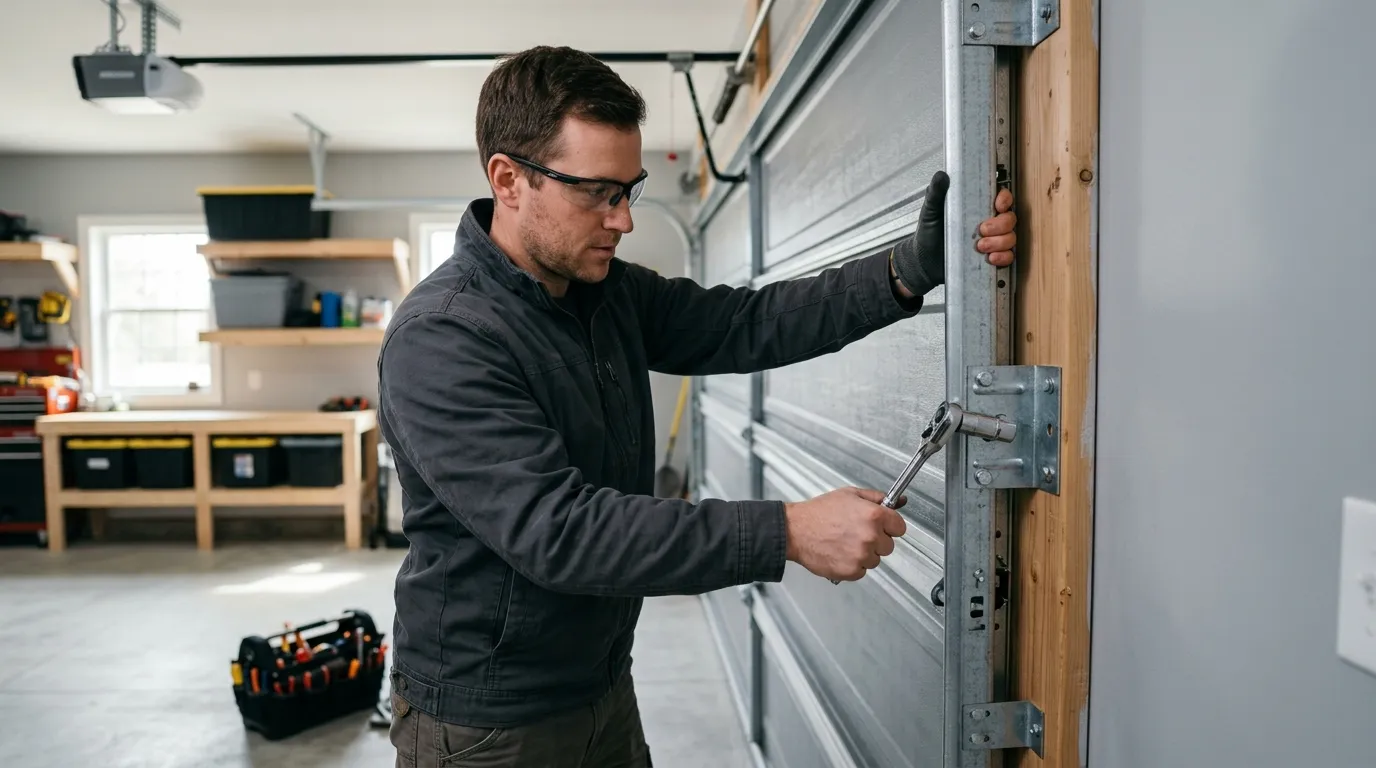
Springs, cables, tracks, rollers, and openers fixed by a tech who explains the problem before touching anything.
Learn more →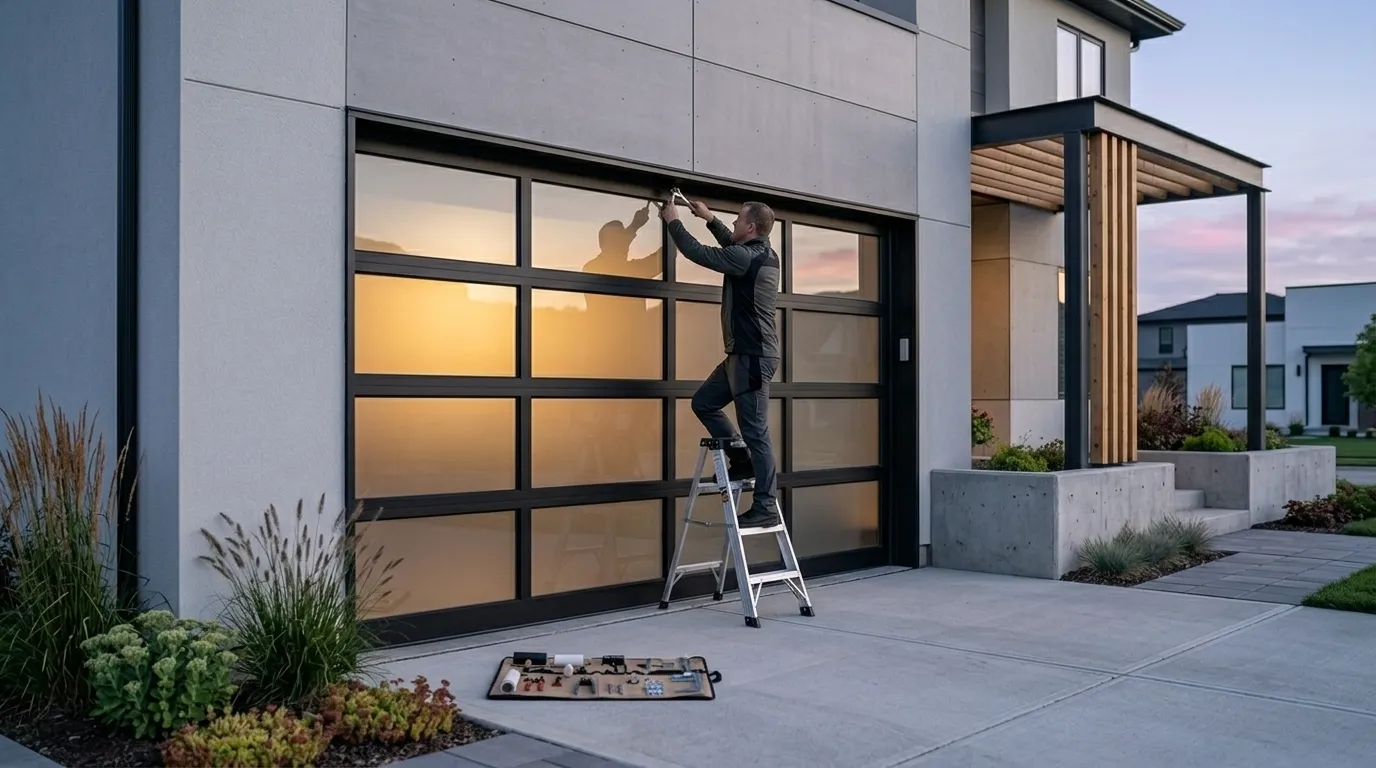
Garage Door Installation
New sectional doors sized and installed for the housing stock actually built in this area.
Learn more →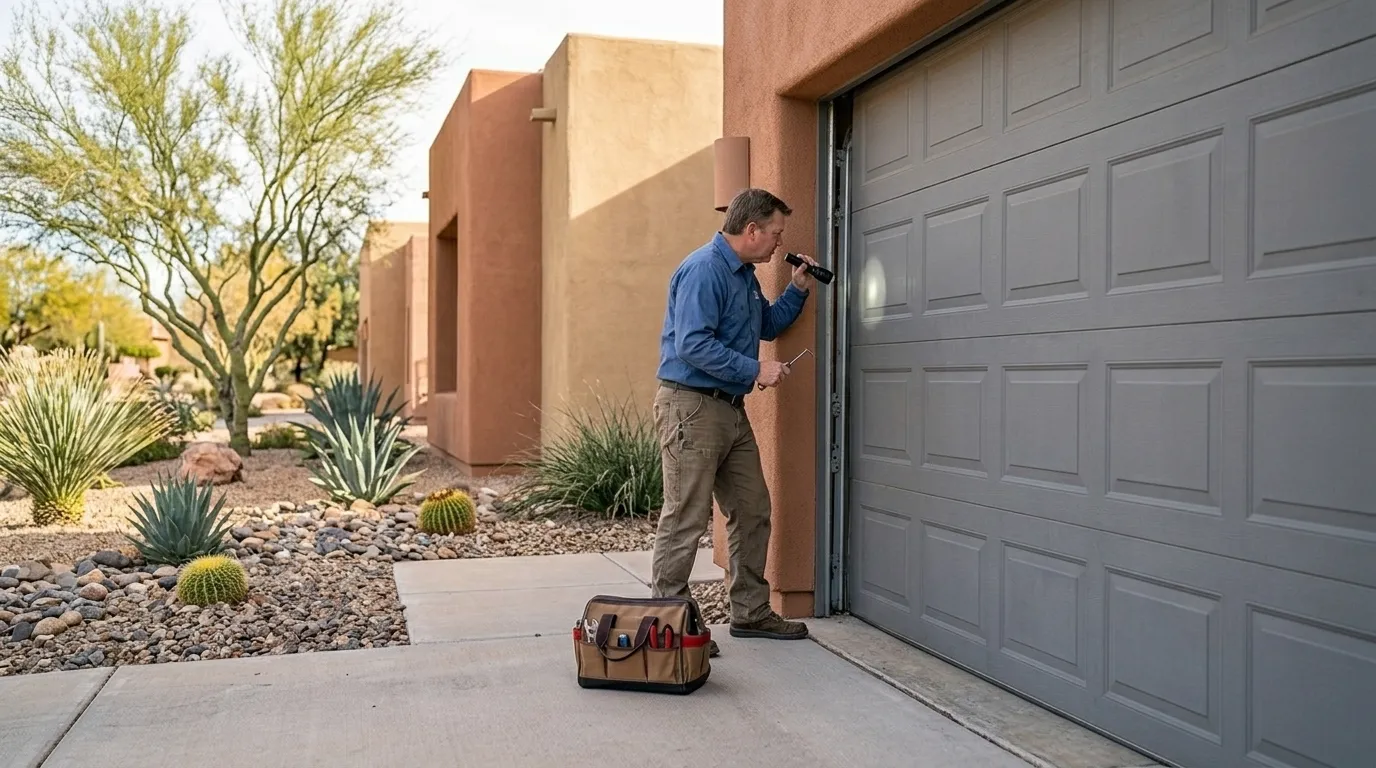
Garage Door Service
Tune-ups, lubrication, and safety checks that catch a small problem before it becomes a service call.
Learn more →Frequently Asked Questions
My house was built in the early 90s - is the garage door original?
It's possible, especially if no one's mentioned replacing it. Original doors from that build window are often still structurally fine, but the springs and rollers are past their rated life. Worth having someone check the hardware even if the panel itself looks good.
Does the heat here wear out garage doors faster?
Not the panels themselves - we're in a moderate heat band, so you don't get the extreme swings that crack wood or warp steel. What heat does wear down is lubrication and rubber weatherstripping, which dry out and go brittle over the years.
How do I know if my door is worth repairing versus replacing?
If the panels are straight and undented and the problem is springs, cables, or rollers, repair almost always makes sense on a door from this era. Replacement makes more sense when the panels themselves are damaged or delaminating, not just because the door is decades old.
Have a Door That Needs a Second Opinion?
Call and describe what it is doing - we will tell you what it likely is.